
Last updated November 25, 2026
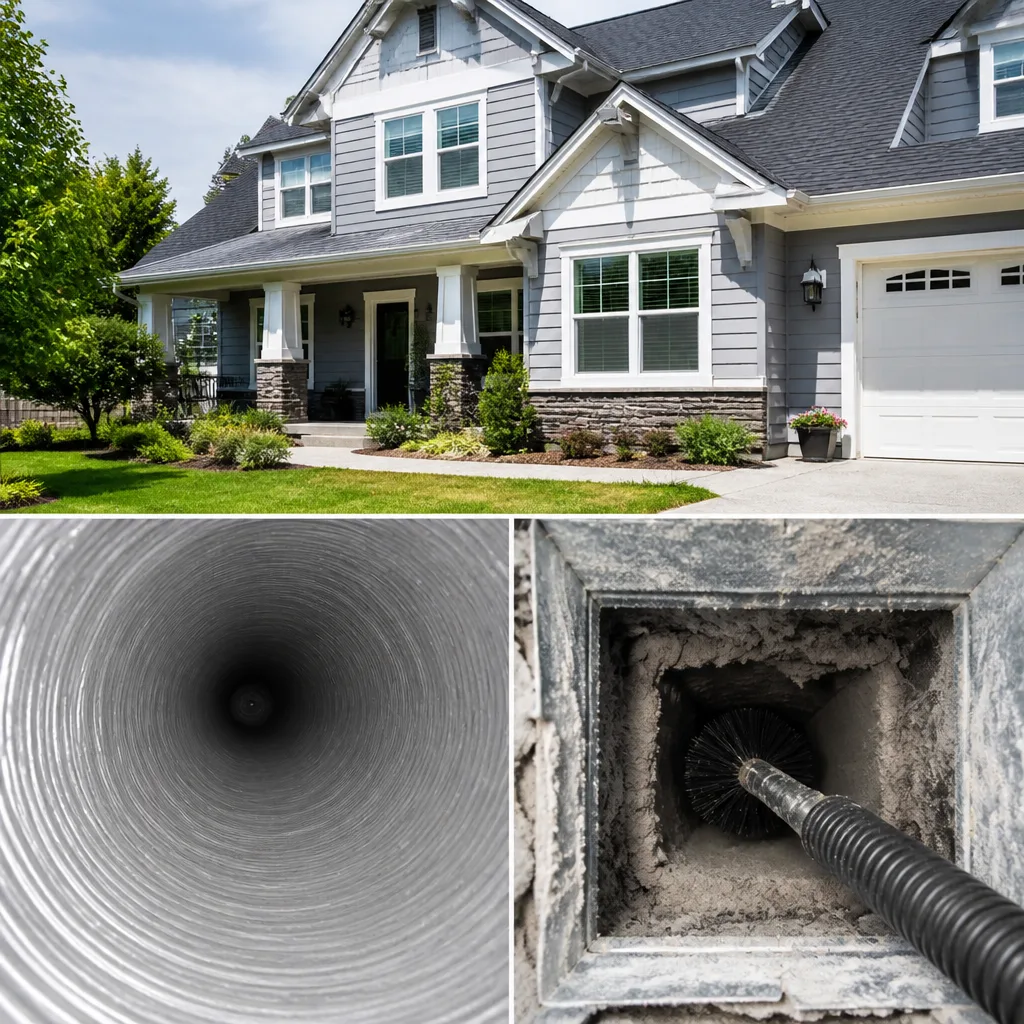 Whole-home duct cleaning
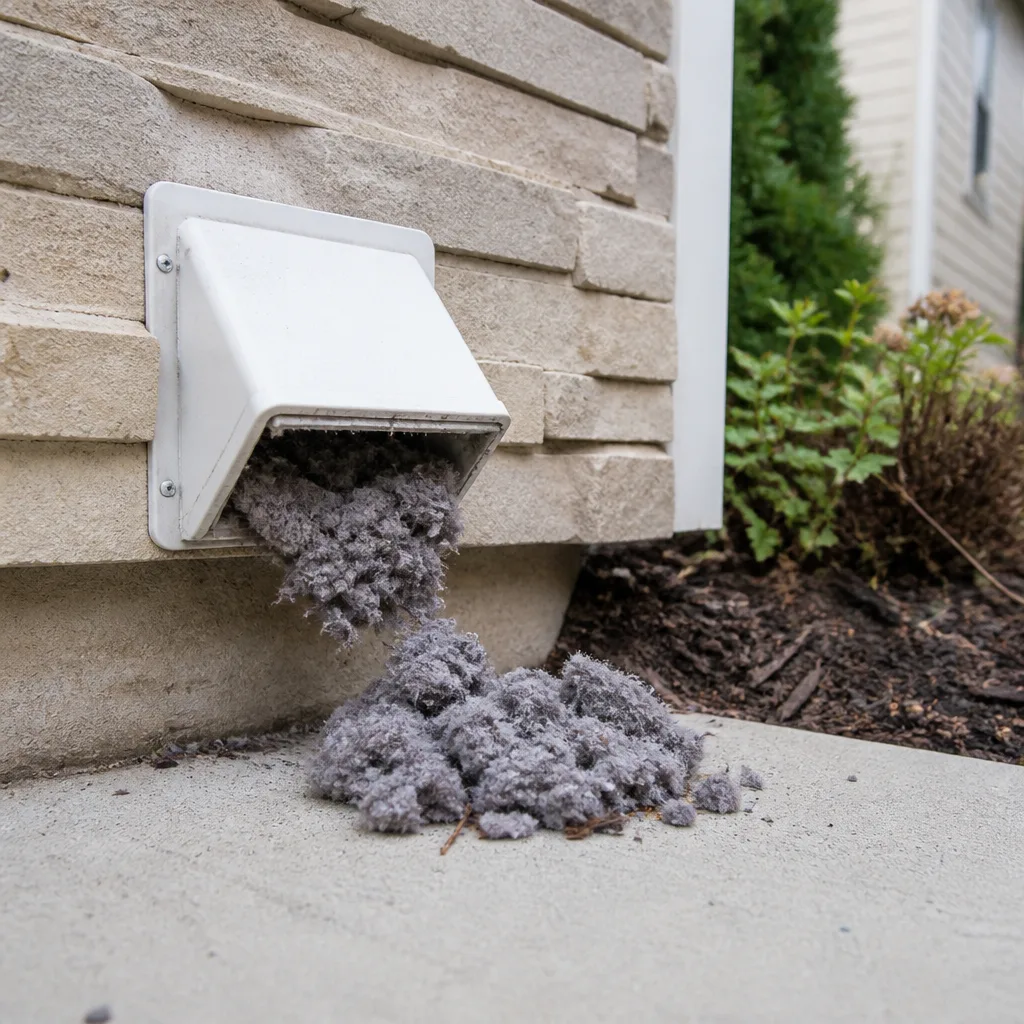 Dryer vent cleaning
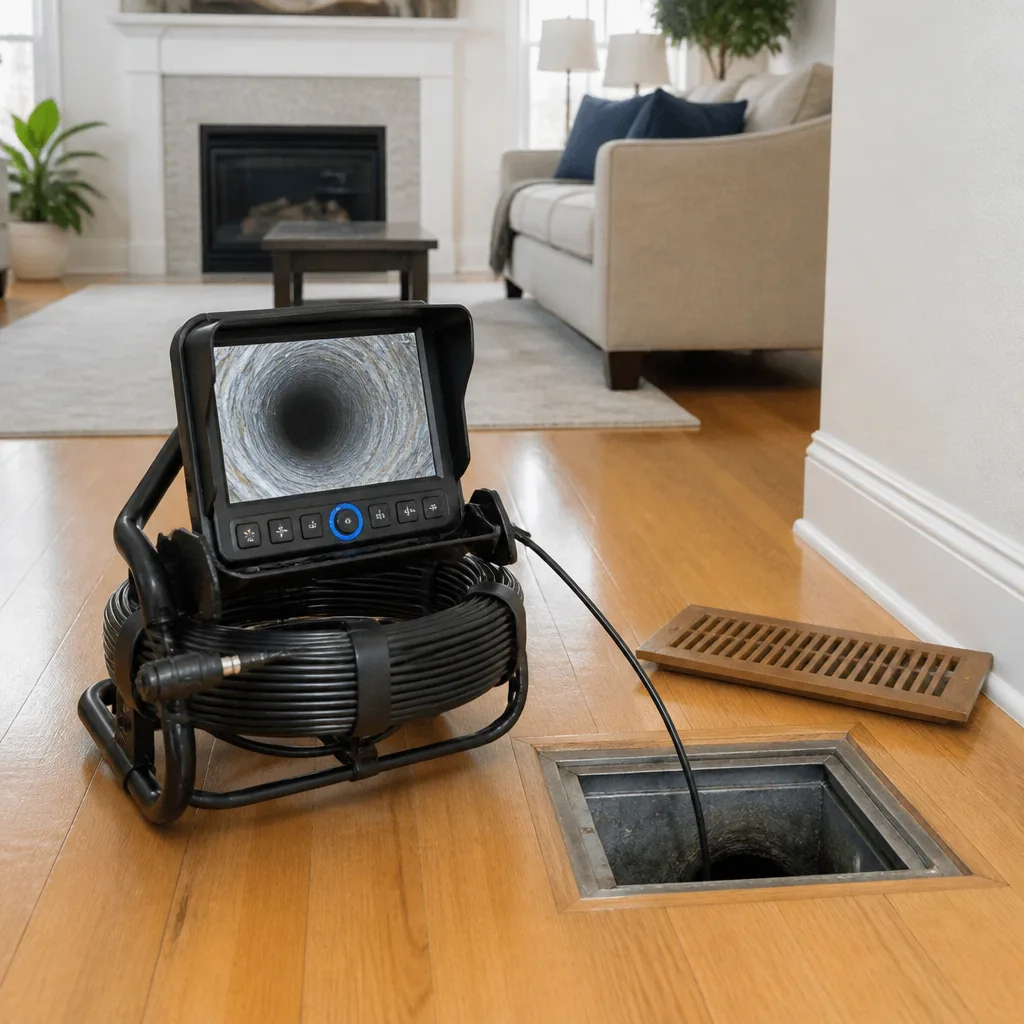 Camera inspection
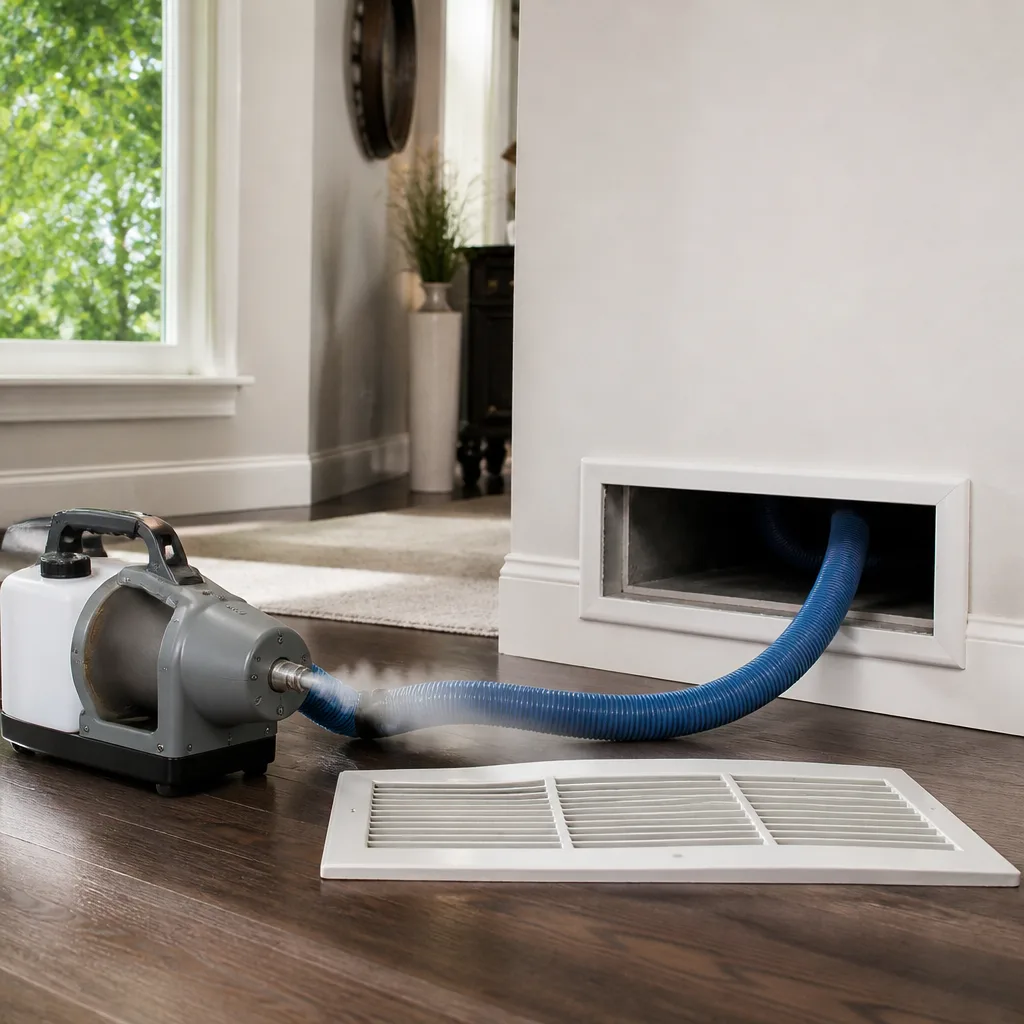 Sanitizing & deodorizing
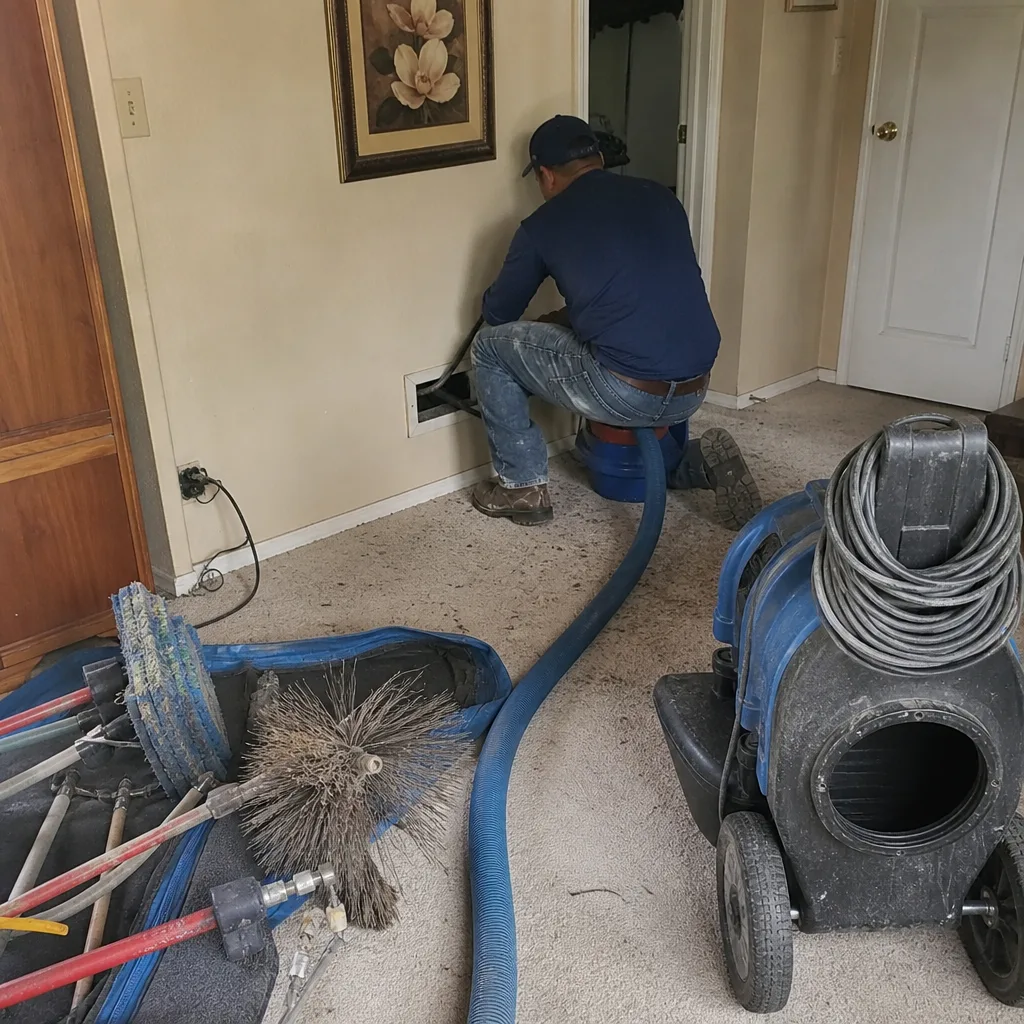
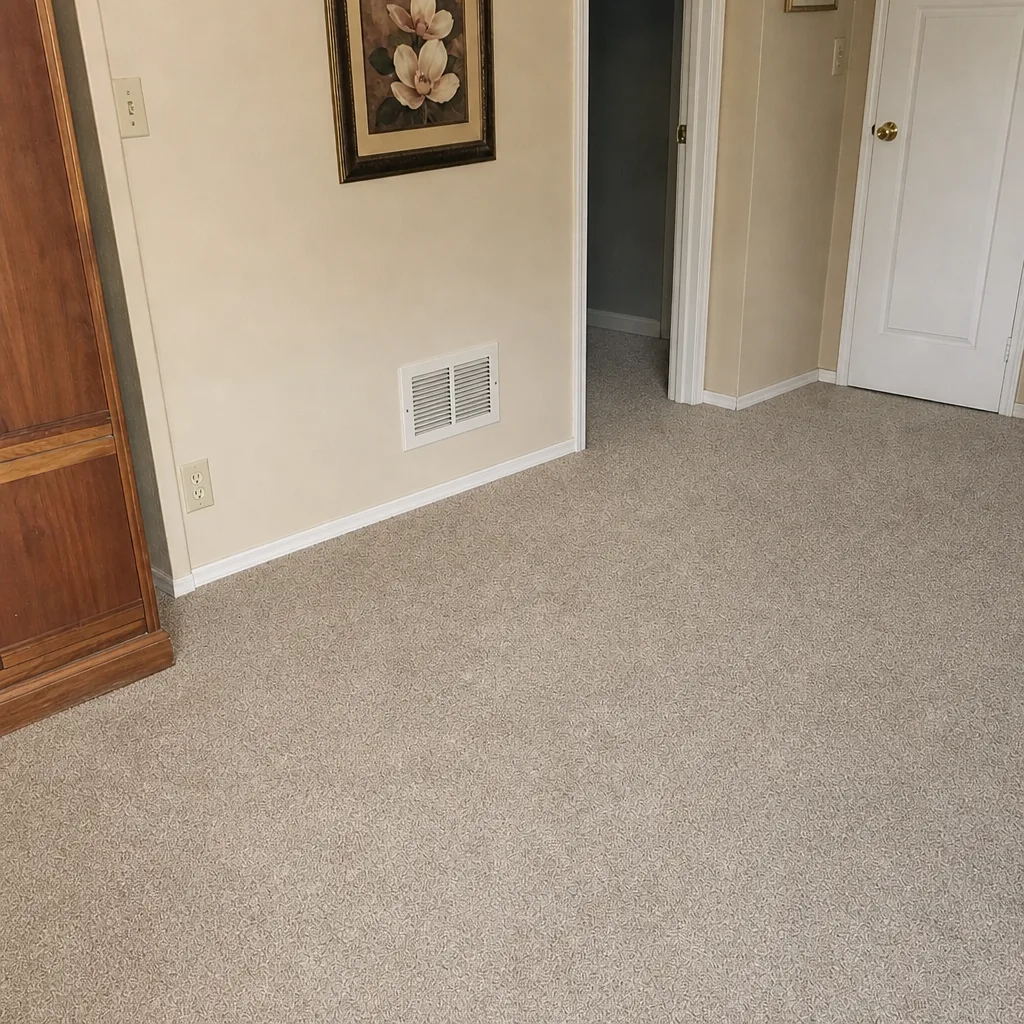
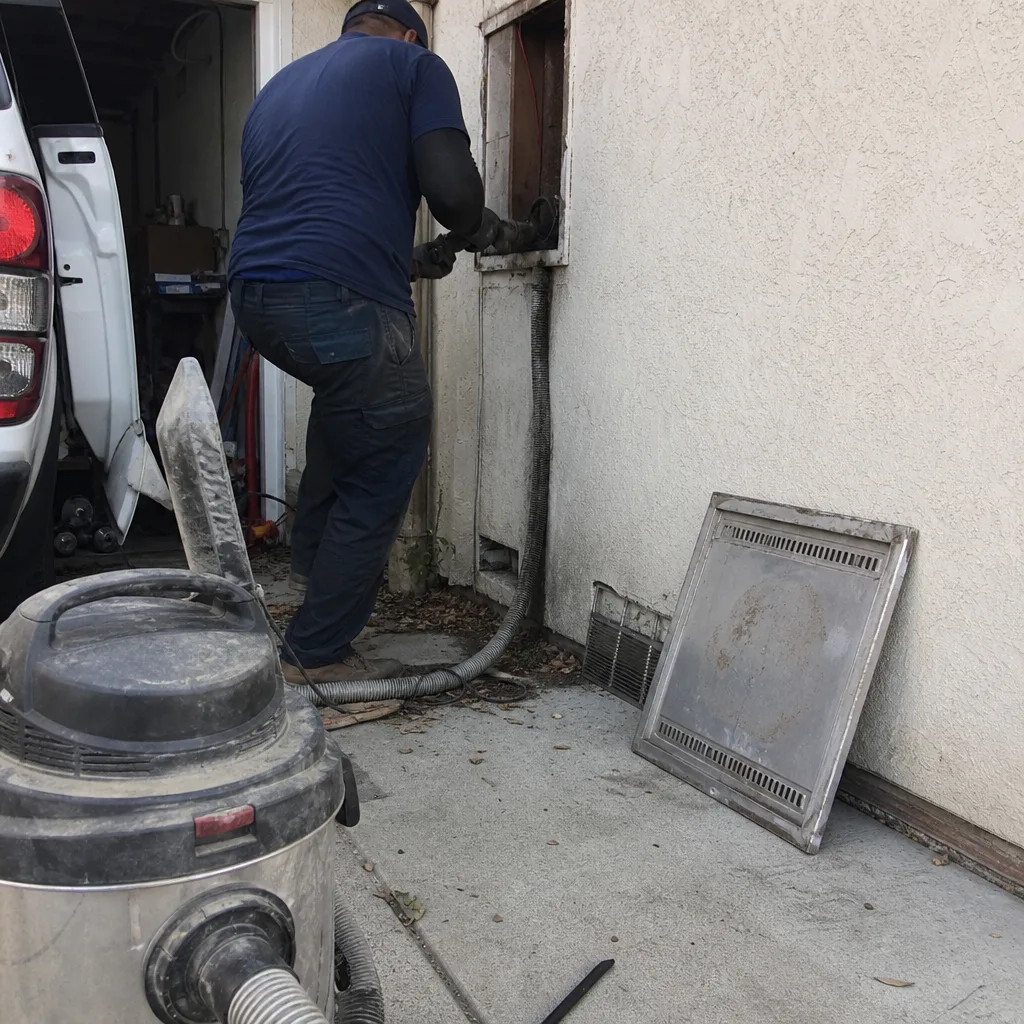
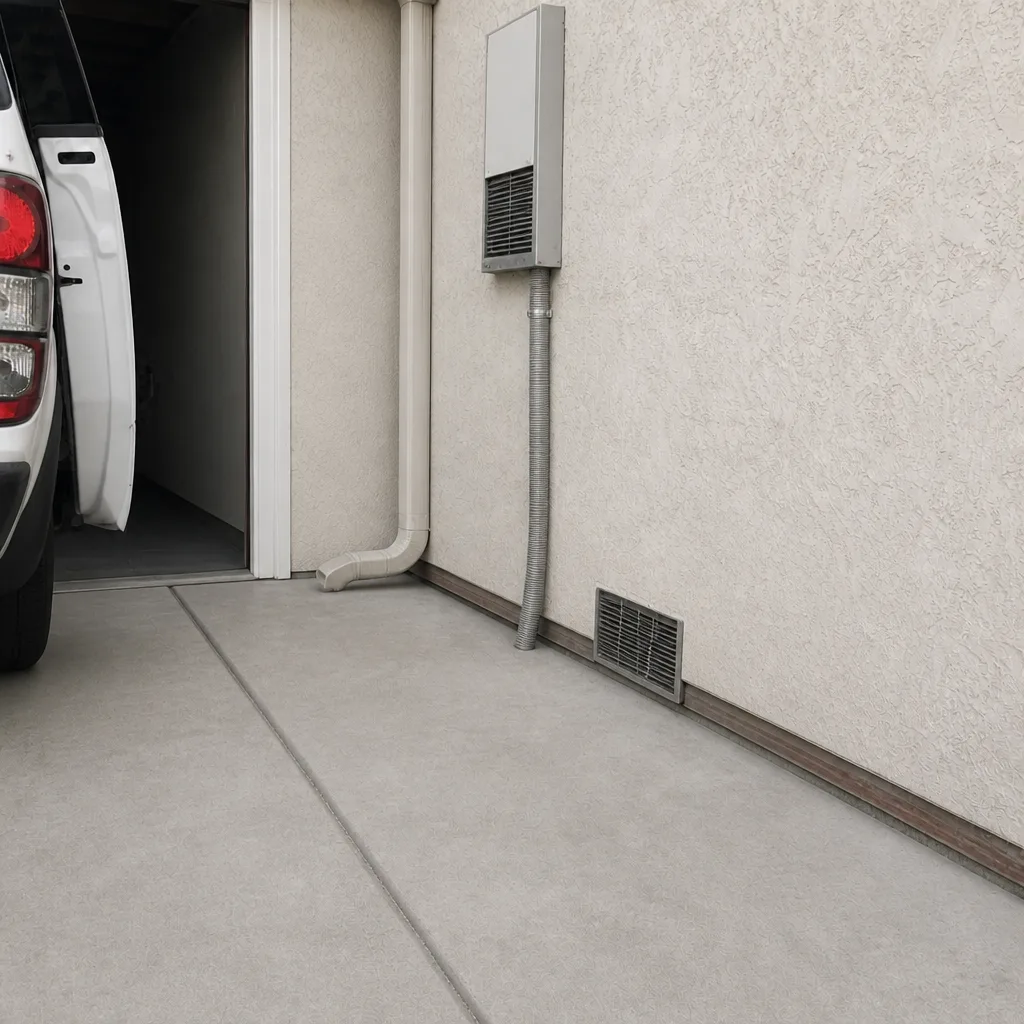
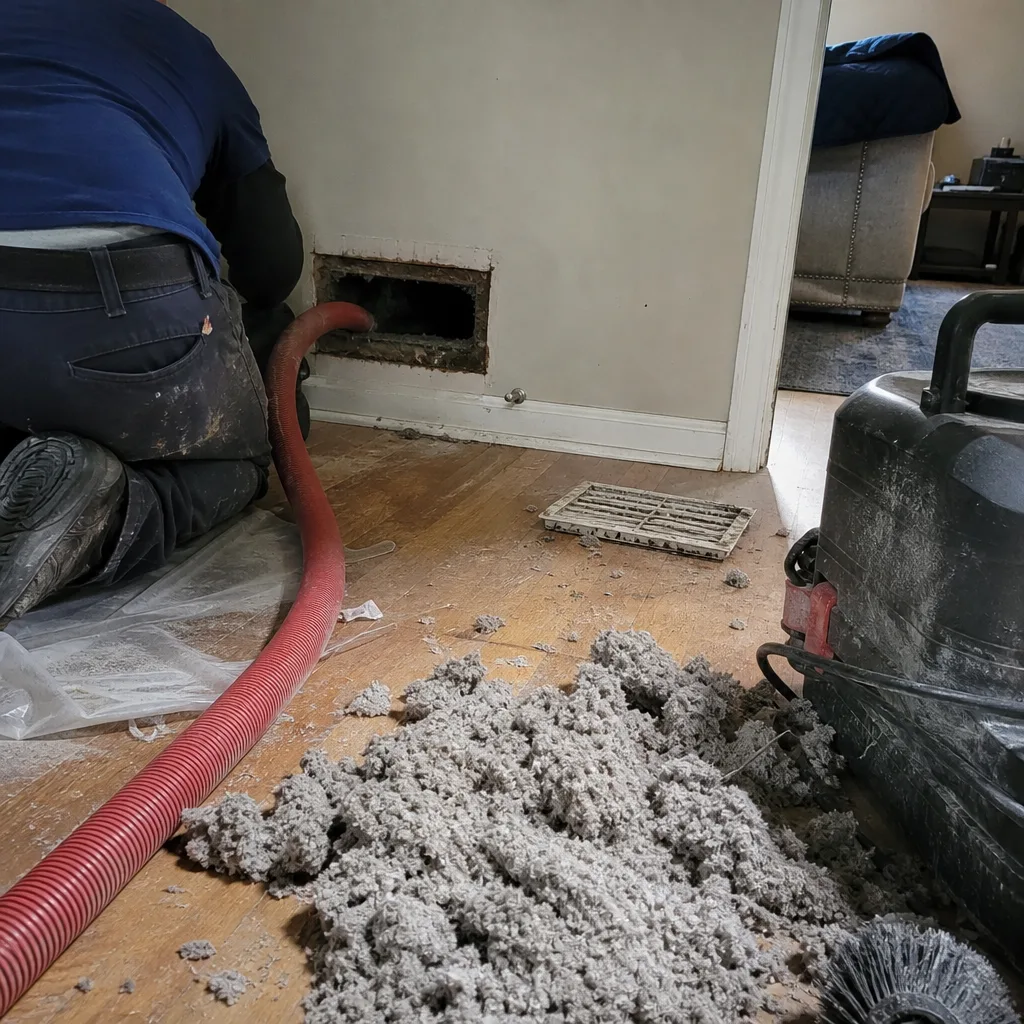
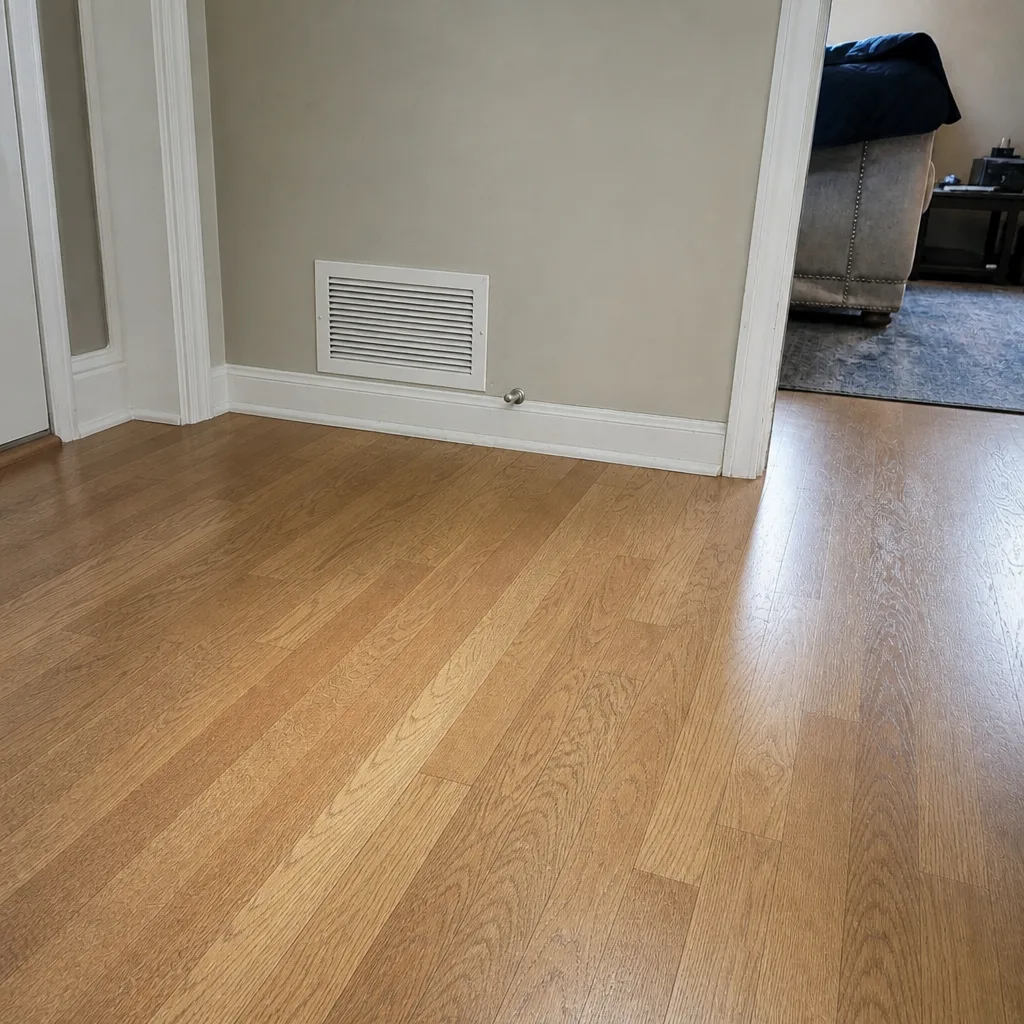
Whole-system duct and dryer vent check with before-and-after photos - you see exactly what came out of your vents
That "$99 whole-house special" is a bait ad - the real number appears once they are in your hallway, or the "clean" is a shop-vac at the register. We photograph the inside of your ducts before and after instead.
The Complete Guide to Air Duct Cleaning in Park Santiago
Most duct cleaning visits in Park Santiago end with a homeowner standing in a hallway, watching a truck pull away, and wondering what actually happened inside the walls. That’s the problem. The service that gets sold most often – a quick pass with a shop vac over the accessible registers – moves debris around without removing the loaded surfaces that feed your air supply. A single visit that skips the air handler cabinet, the coil fins, and the return plenum is statistically more likely to redistribute what’s already stuck in the system than to extract it. This guide maps every stage of a legitimate job, from the equipment that should be on site to the verification you’re owed before the crew packs up, so you can tell a real clean from a photo op.
Quick Answer
A complete air duct cleaning in Park Santiago should include mechanical agitation of every supply and return run, negative-pressure HEPA extraction that holds debris in containment, cleaning of the air handler cabinet and coil fins, and a written verification with before-and-after photos. Vacuuming the accessible duct sections alone does not clean the system. Typical whole-system pricing in the Park Santiago market runs $450 to $1,200 depending on the size and condition of the system, with the written estimate setting the final price.
Styles & brands we work with
- Whole-home duct cleaning
- Dryer vent cleaning
- Camera inspection
- Sanitizing & deodorizing
Table of Contents
- Why duct cleaning matters more in Park Santiago than in coastal markets
- What a legitimate duct cleaning actually includes
- The equipment difference: contact vacuum vs. negative-pressure extraction
- The components almost everyone skips
- How to read a post-cleaning verification
- Duct condition and HVAC efficiency: the connection most homeowners miss
- How often you should schedule cleaning in Park Santiago
- What air duct cleaning costs in Park Santiago
Why Duct Cleaning Matters More in Park Santiago Than in Coastal Markets
Park Santiago sits in the interior Santa Ana valley, and that geography shapes how quickly a duct system loads up with dust. Coastal California markets get a steady marine layer that keeps airborne particulate suspended and moving; inland valley air does something different. Dry, warm afternoons pull fine particulate off exposed soil, unpaved shoulders, and construction sites, and that particulate settles into homes through return grilles and door gaps. The dust that lands on your carpets and blinds is the same dust that coats the inside of your supply trunks.
Because the loading is heavier and more consistent here than along the coast, duct interiors in Park Santiago reach a visible layer of accumulation faster. That layer isn’t inert. It holds pollen, construction fines, and whatever the HVAC coil condenses out of the air each time the system runs. In our experience, a duct system in a Park Santiago home that hasn’t been addressed in several years typically shows dense, adhesive dust along the return trunk and dust trails on the coil fins.
That’s the local picture: dry, particulate-heavy air, faster loading, denser debris. If you’ve noticed dust settling on horizontal surfaces within days of cleaning them, or a musty smell when the air handler kicks on, the source is likely in the system rather than the room.
What a Legitimate Duct Cleaning Actually Includes
A real clean touches every part of the forced-air pathway. If any of the following stages is skipped, the system is only partly clean – and the remaining contamination can recontaminate what was just cleaned.
- Source capture with negative-pressure containment. The crew sets up a HEPA vacuum and negative-air machine at the main trunk, so the entire system is under suction while the work happens. Abatement Technologies negative-air equipment serves the same purpose here that it does in commercial remediation: it holds contaminants inside the airstream and out of your living space.
- Mechanical agitation of every run. A Rotobrush whip or brush head is fed through each supply and return run, dislodging the adhesive dust layer from the duct walls. Agitation without containment just pushes the dust into the room; containment without agitation leaves the layer stuck to the walls. Both stages have to happen.
- Air handler cabinet cleaned. The blower chamber, cabinet interior, and coil fins get cleaned with a contained vacuum and appropriate coil-safe tools. Dust here recirculates straight back through the supply ducts.
- Return plenum and grilles. The return trunk and return grilles carry as much debris as the supply side and are frequently skipped. If the crew hasn’t touched yours, the clean isn’t done.
- Sanitizing, where needed. After extraction, a treatment applied to the duct interior controls microbial growth and unresolved odors. Not every system needs it, but if there’s musty odor, it’s the step that resolves it.
- Sealing and repair. Gaps and disconnected joints get sealed; this is part of the job, not an upsell. Clean air escapes through leaks just as easily as dirty air leaks in.
Two-stage cleaning – agitate, then extract – is the standard we hold to. We don’t just clean; we seal what’s leaking and sanitize what’s left behind. That closes the loop on system integrity. If your crew can’t explain how each stage applies to your home, you have your answer.
The Equipment Difference: Contact Vacuum vs. Negative-Pressure Extraction
The biggest quality gap in Park Santiago duct cleaning isn’t labor – it’s equipment. Two crews with the same hours can produce completely different results depending on whether they’re using a contact vacuum or a true negative-pressure HEPA system.
A contact vacuum touches the duct interior and sucks up what it can reach. That’s fine for the surfaces it touches. But the duct interior is a long, angled pathway with turns and branches a wand can’t reach. A contact vacuum run over the trunk removes maybe the top layer of loose debris while leaving the adhesive layer along the walls.
Negative-pressure extraction with agitation works differently:
- The negative-air machine pulls the whole system into suction, so dust dislodged anywhere in the run gets captured, not redistributed.
- Rotobrush agitation breaks the adhesive dust layer free of the duct wall so the extraction can actually remove it.
- Nikro HEPA filtration catches fine particulate, including the dust that a standard shop vac would blow straight back into the room.
That combination is the standard NADCA-aligned protocols specify. If a quote doesn’t mention which system will be on site, ask. The crew should be able to tell you whether they’re running Rotobrush agitation, Nikro HEPA extraction, Abatement Technologies containment, or all of the above. If the answer is vague, the equipment probably is too.
The Components Almost Everyone Skips
If you’ve had a duct cleaning in Park Santiago and something felt incomplete, the missed work was probably in one of these spots. These are the components a thorough clean must touch and a quick clean routinely skips.
The air handler cabinet
The air handler cabinet houses the blower and coil. Every cubic foot of supply air passes through it. A dusty cabinet means dust gets pushed into the supply ducts as soon as the blower starts. Cleaning the cabinet is not optional; it’s the upstream source of half the debris in the system.
The coil fins
The evaporator coil is a dense fin pack with thousands of fine channels where dust, lint, and biological growth collect. Loaded fins reduce heat transfer, and the coil can’t shed the debris on its own. Coil cleaning requires appropriate equipment because the fins are delicate – this is not a DIY task, and it isn’t a spray-and-wipe job either.
Return plenums and return boots
The return side pulls in the room air and its dust. The plenum and boot areas are often left untouched because they’re structurally awkward. But if the return is dirty, the supply runs get dirty almost immediately after cleaning.
Supply boots and grilles
The last foot of the system – the boot at the register and the grille itself – is where the dust lands before it enters the room. A crew that cleans the plenum but not the boot has done half the job.
All four components are why we treat duct repair and sealing as part of the same service. Cleaner air starts with a closed, sealed, properly functioning duct system. Gaps at joints and disconnected runs pull unconditioned attic air into the pathway, and no amount of cleaning compensates for a leak.
How to Read a Post-Cleaning Verification
You shouldn’t have to take a crew’s word for it that the work was done. A legitimate duct cleaning in Park Santiago ends with evidence you can look at before the truck leaves.
What to ask for:
- Before-and-after photos of your own system. Not stock photos from a brochure; interior shots of the trunk, the supply runs, the coil, and the return plenum as they looked before and after each stage. If a crew can’t produce these, they can’t prove the work happened.
- A written summary of what was cleaned and what was skipped. If part of the system couldn’t be accessed, you should know that up front – not after the invoice.
- Filter condition at the end. New filter installed, or a clear answer on why not.
- Photos of repair work. If joints were sealed or a run was reconnected, there should be documentation of the before and after.
The verification step is also where you catch a shop vac disguised as a duct cleaning. Guardsman surface protection products protect your flooring and finishes during the work; they’re a sign of a crew that takes the home seriously. Small details like that often show up in crews that take the verification seriously too.
Duct Condition and HVAC Efficiency: The Connection Most Homeowners Miss
Homeowners typically call about air quality – dust, odors, allergy symptoms. The quieter cost of a dirty duct system is the HVAC system itself, and the connection runs through four channels.
- Restricted airflow. A dust-loaded coil and blower chamber reduce the volume of air that moves through the system. The blower runs harder and longer to hit the target temperature, and that shows on your energy bill.
- Reduced heat transfer. The evaporator coil has to exchange heat with the air moving across it. Loaded fins act like insulation, so the system runs longer to reach the same setpoint.
- Pressure loss through leaks. Gaps and disconnected joints leak a percentage of every cubic foot of conditioned air into the attic or crawlspace. That’s air you paid to cool, escaping before it reaches a room.
- Fan and motor load. Restricted airflow forces the blower to work against resistance. Over time that translates to more motor strain and shorter equipment life.
The fix isn’t only cleaning. It’s cleaning plus sealing – which is why we treat duct repair and sealing as a named service rather than an add-on. A system that has been cleaned but not sealed is a system still leaking conditioned air. A system that has been sealed but not cleaned is a sealed system full of dust. The two have to happen together.
How Often You Should Schedule Cleaning in Park Santiago
There’s no hard rule that applies to every home, but the local climate and the character of your Park Santiago home both matter. Dry, particulate-heavy valley air loads a system faster than coastal air does, so the practical interval here is often shorter than the national guidance suggests.
In our experience, the decision to schedule should be triggered by signals rather than a calendar:
- Visible dust trails around the supply registers, or dust settling back onto surfaces within days of cleaning.
- A musty or stale smell when the air handler starts.
- Allergy or headache symptoms that get worse when the HVAC runs.
- Rising energy bills without a clear cause.
- A recent remodel or major construction nearby.
- No duct cleaning documented on the home since you bought it.
The dry, windy months in the interior valley are when the loading accelerates fastest. If you’re not sure whether your system is due, that’s a conversation worth having before the summer cooling season rather than after.
What Air Duct Cleaning Costs in Park Santiago
Air duct cleaning in Park Santiago typically runs $450 to $1,200 for a whole-system clean, with the final price set by the written estimate after the crew sees the system. Per-vent pricing and low coupon offers don’t reflect the actual scope of the work; we don’t use either.
| Service | Typical estimated range |
|---|---|
| Whole-system air duct cleaning (standard home) | $450 – $750 |
| Whole-system cleaning with heavy contamination or multiple zones | $750 – $1,200 |
| Air handler cabinet and coil cleaning (as part of a full clean) | Included in the system price |
| Duct repair and sealing (per run or per section) | $150 – $400 |
| Sanitizing treatment | $100 – $250 |
| Dryer vent cleaning (standalone) | $150 – $300 |
Those ranges are typical estimates, not a quote. The estimate is free, the price is set per job, and the written estimate is what stands. One flat price per system, agreed before work starts, with before-and-after photos of your own ducts to verify what was done.
Common Mistakes to Avoid
- Accepting a per-vent price. Per-vent pricing encourages counting vents rather than cleaning the pathway. A system’s contamination doesn’t live in the register – it lives in the trunk, the plenum, and the coil. You pay for whole-system work, not a register tally.
- Skipping the air handler and coil. A crew that cleans the ducts without opening the cabinet is cleaning downstream of the actual source. Dust from the cabinet flows straight back into the ducts.
- Choosing on price alone. A $99 teaser visit that becomes a $1,200 invoice on site is the industry’s oldest bait-and-switch. Ask for a written estimate before work begins.
- Forgetting the return side. The return plenum carries as much debris as the supply, but it’s easier to skip. Confirm it’s in the scope.
- Believing “no maintenance needed” after the clean. A sealed system with a good filter lasts longer between cleans, but it still loads over time, especially in Park Santiago’s dry interior air.
- Ignoring leaks and gaps. Cleaning without sealing lets conditioned air escape and unconditioned attic air come in. The system isn’t clean if it’s still leaking.
- Not asking for photos. If you can’t see before-and-after photos of your own system, you can’t verify the work was done. Ask for them before the truck leaves.
See the difference
 Before
 After
 Before
 After
 Before
 After
When to Call a Professional
Call a professional when you notice symptoms that point to the duct system – not the room. Visible dust trails around the returns, a musty smell when the air handler starts, allergy symptoms that flare when the HVAC runs, a recent remodel, or a home you’ve just bought without documentation of duct work. Call if your energy bills have crept up and you can’t account for it. Call if the return grille looks loaded, if a run feels dislodged, or if your dryer vent hasn’t been cleaned in years – elevated lint buildup is a leading cause of residential fires. Air Duct Cleaning Park Santiago offers free estimates in Park Santiago. Call (844) 625-7040. We answer 24/7. Fast dispatch from 7am to 7pm, Sunday through Friday.
Frequently Asked Questions
Most whole-system cleans in Park Santiago fall between $450 and $1,200 depending on system size and contamination level, with duct sealing, sanitizing, and dryer vent cleaning priced separately. The written estimate after an in-person look sets the final price. Call (844) 625-7040 for an exact quote – estimates are free.
Cheap quotes usually cover a fraction of the work: contact vacuuming of accessible runs without coil, cabinet, or return cleaning. When the crew arrives and finds the full scope, the price goes up on site – the classic bait-and-switch. We quote one flat price per system, agreed before work starts, and verify it with before-and-after photos. Call (844) 625-7040 for a written estimate.
You should be shown before-and-after photos of your own system – trunk, runs, coil, and return – plus a summary of what was cleaned and what wasn’t. Any crew that can’t produce that documentation hasn’t given you proof. Call (844) 625-7040 for a free estimate and a clear scope of work.
In Park Santiago’s dry, dust-heavy valley air, most homes do well on a cleaning every three to five years if the system is sealed and the filter is changed on schedule. Heavy triggers – remodels, pets, allergy symptoms, a new-to-you home – can shorten the interval. Call (844) 625-7040 for a free estimate and an honest read on your system.
It can. A loaded coil and a leaking duct system both force the HVAC to run longer and harder for the same setpoint, and cleaning plus sealing addresses both. We can’t promise a specific percentage, but the physical effect is real. Call (844) 625-7040 for a free estimate on a whole-system clean and seal.
A complete clean uses negative-pressure HEPA extraction with mechanical brush agitation, not a shop vac. The crew should be running Rotobrush agitation and Nikro HEPA extraction, with Abatement Technologies negative-air containment holding the system under suction while the work happens. If the equipment on site isn’t professional grade, the clean isn’t either. Call (844) 625-7040 for a free estimate.
The Bottom Line
A complete duct clean in Park Santiago isn’t a vacuum pass; it’s a whole-system process that touches the air handler, the coil, the return, the supply, and the joints that hold it all together. The equipment difference between a contact vacuum and a Rotobrush-and-Nikro two-stage extraction is the difference between agitating and capturing versus moving dust around. Verification matters as much as cleaning – if you can’t see before-and-after photos of your own system, the work isn’t proven. And cleaning without sealing leaves leaks that undo the airflow gains. One flat price per system, agreed before work starts. That’s the standard we hold to, and it’s the one worth asking for.
Air Duct Cleaning Park Santiago connects homeowners with independent, vetted local professionals who perform the work. Our technicians have up to 9 years of experience, and the local pro is licensed and insured as their state requires. We treat the entire forced-air system in one visit – air duct cleaning, dryer vent cleaning, HVAC cleaning, duct repair and sealing, and air quality and sanitizing – so you don’t have to coordinate multiple vendors for one dirty system.
If your Park Santiago home is showing the signs in this guide, call us today. The estimate is free, the price is set per job, and the work is documented. Call (844) 625-7040. We answer 24/7. Fast dispatch from 7am to 7pm, Sunday through Friday.
Written by the team at Air Duct Cleaning Park Santiago.