
Last updated November 25, 2026
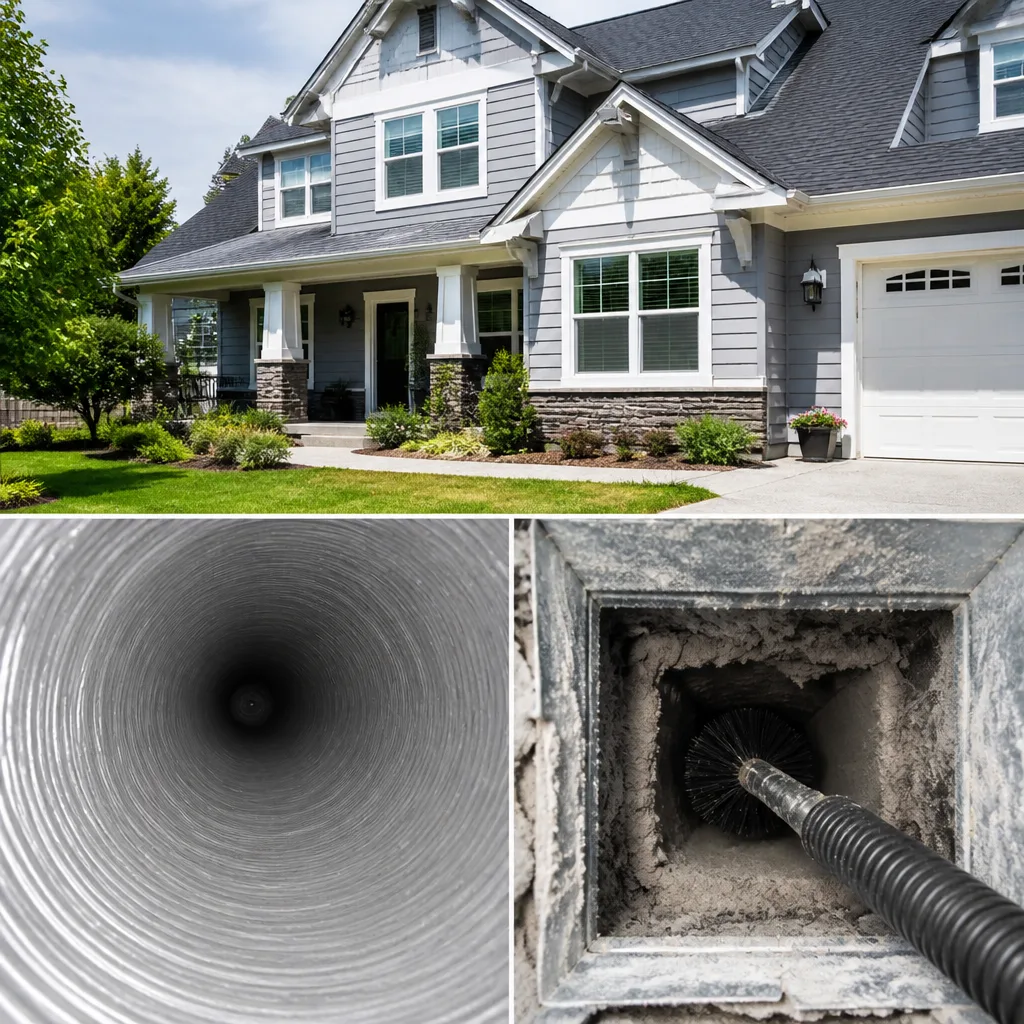 Whole-home duct cleaning
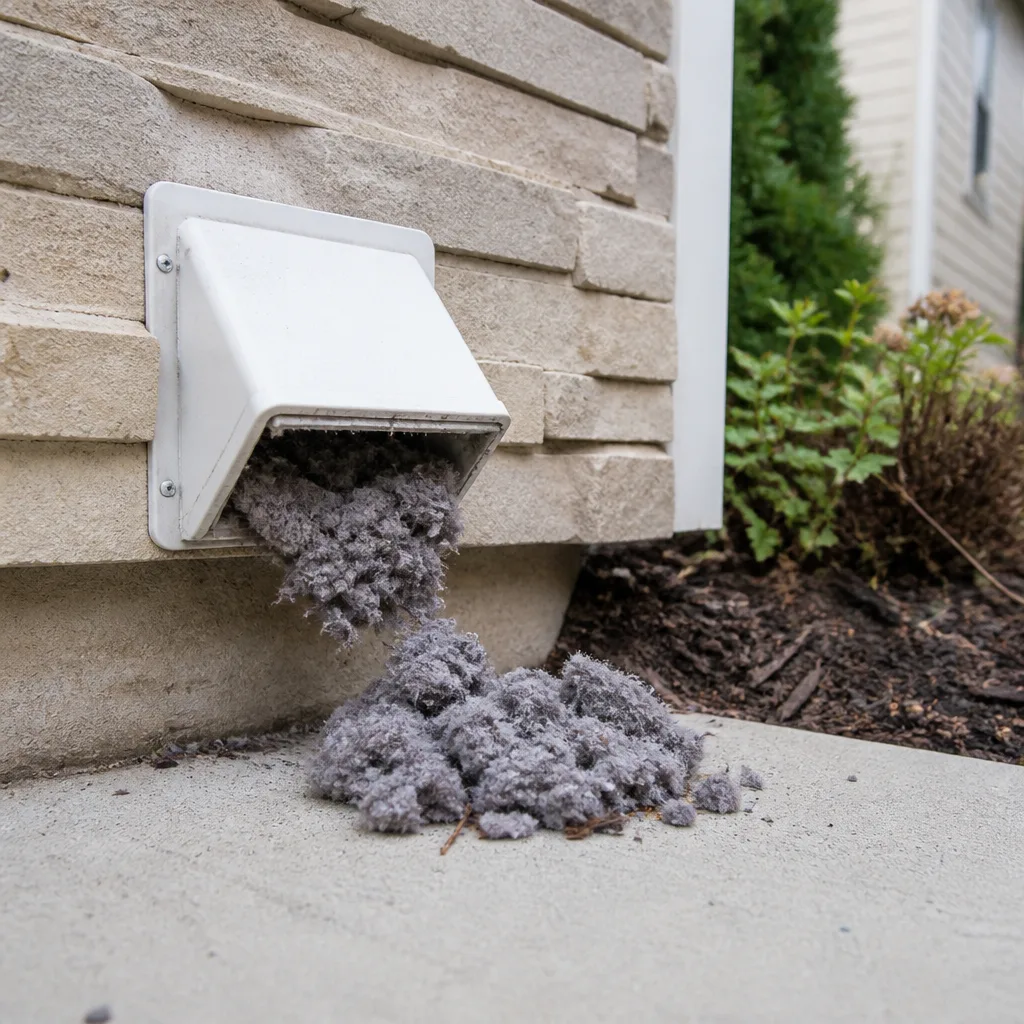 Dryer vent cleaning
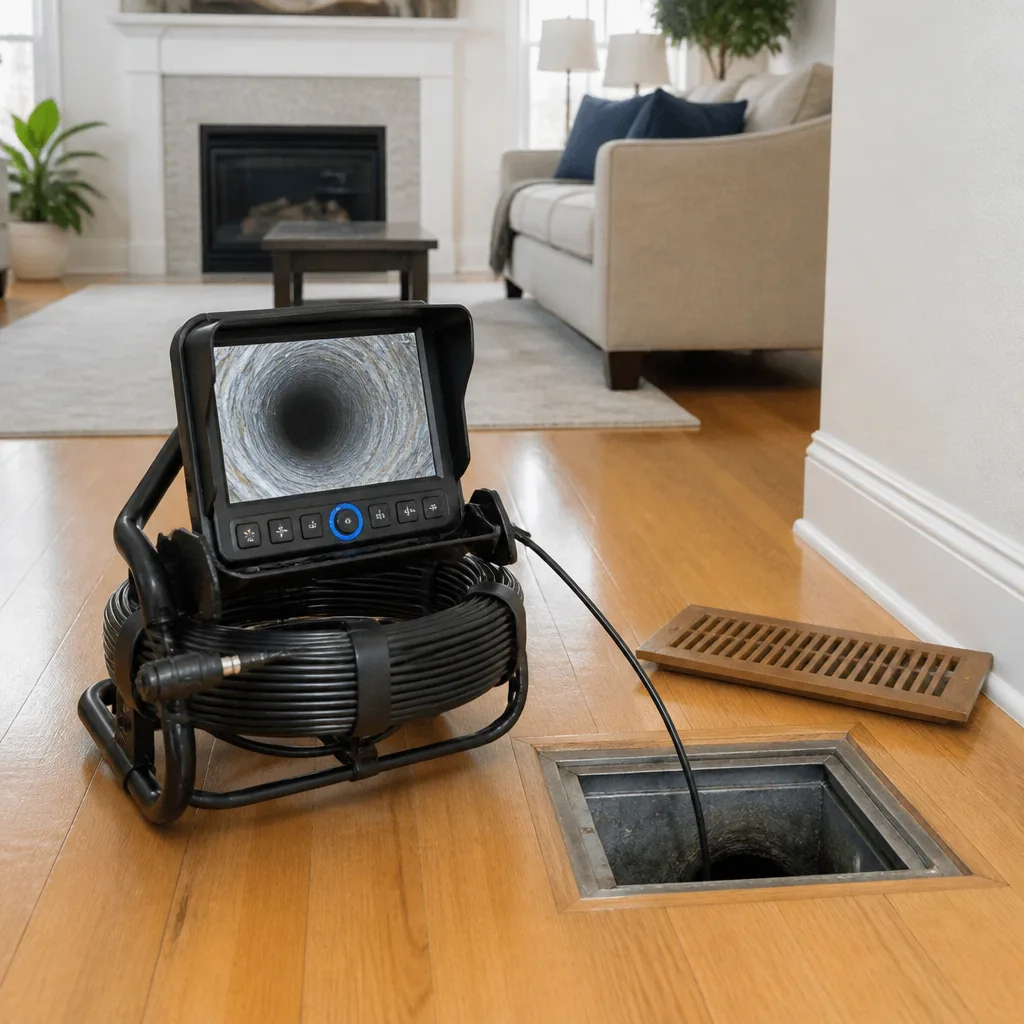 Camera inspection
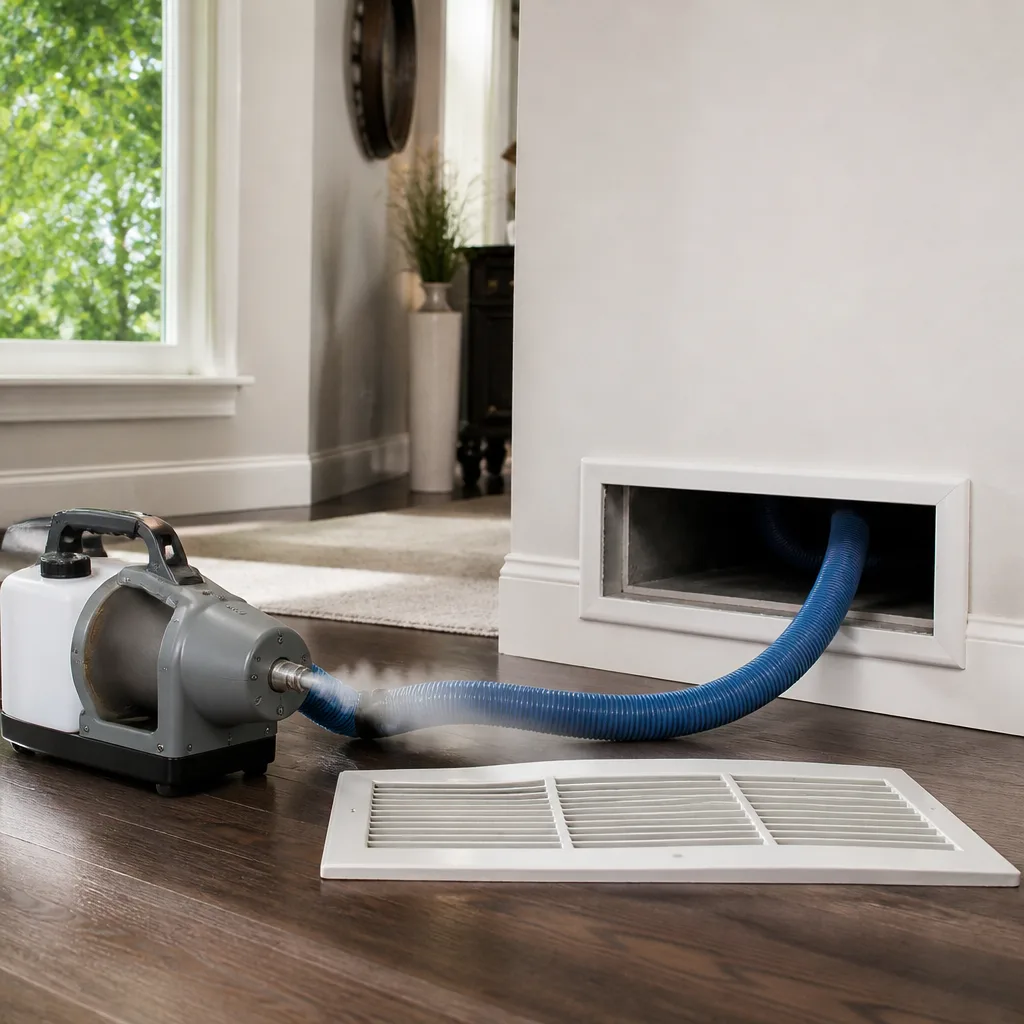 Sanitizing & deodorizing
Whole-system duct and dryer vent check with before-and-after photos - you see exactly what came out of your vents
That "$99 whole-house special" is a bait ad - the real number appears once they are in your hallway, or the "clean" is a shop-vac at the register. We photograph the inside of your ducts before and after instead.
Seasonal Air Duct Cleaning Care for Park Santiago: Year-Round Homeowner’s Guide
Most seasonal duct advice assumes four equal seasons. Park Santiago doesn’t have them. What this part of Southern California actually gets is a long dry particulate season, a sharp Santa Ana wind window that pushes smoke and ash through every gap in a house, and two mild shoulder periods where the system quietly collects whatever the wind left behind. The usual “clean it twice a year” rule was written for places with hard freezes and wet springs, and it leaves Park Santiago homeowners either cleaning at the wrong time or not at all. This guide maps the timing and the tasks to what’s actually happening to your forced-air system here, month by month.
Quick Answer
In Park Santiago, the highest-value duct cleaning lands in October, right after Santa Ana season peaks and before the house closes up for heating. A second pass belongs in spring, before cooling season, paired with a coil check and a duct integrity inspection. Between those two appointments, seasonal filter changes and a post-renovation inspection do most of the maintenance work. Those three moments matter more than any fixed twice-a-year schedule.
Styles & brands we work with
- Whole-home duct cleaning
- Dryer vent cleaning
- Camera inspection
- Sanitizing & deodorizing
Table of Contents
- Why Park Santiago’s Seasons Stress Ducts Differently
- What Santa Ana Wind Events Deposit in Your Ductwork
- Pre-Summer Prep: Coils, Seals, and Your Cooling Bill
- How Wildfire Smoke Particulate Behaves Inside Ducts
- The Spring Post-Renovation Duct Inspection
- Seasonal Filter Strategy: MERV Without Choking Airflow
- The Park Santiago Duct Care Calendar
- Signs Your System Is Overdue Right Now
Why Park Santiago’s Seasons Stress Ducts Differently
Ductwork in Park Santiago lives through three distinct stress patterns, not four equal seasons. That matters because each pattern loads the system with a different kind of material, and each one responds to a different service.
The first is the dry particulate season, roughly late spring through early fall. The air is warm, dry, and carrying fine dust, pollen, and the grit that comes off dry ground. Your return grilles pull that material in continuously while the system runs for cooling. Most of it lands in the return plenum and the first few feet of the main trunk, which is exactly why a whole-system cleaning beats spot vacuuming at the registers.
The second is the Santa Ana window, usually fall into early winter. These are the offshore wind events that drive humidity down, push fine ash and combustion particulate across the region, and pull smoke from wherever fires are burning into the air over Park Santiago. This is a different particle load entirely from ordinary household dust, and it behaves differently once it’s inside a duct system.
The third is the two mild shoulders, a short spring and a shorter late-winter stretch. Nothing dramatic happens, which is precisely the problem. Debris that settled during the dry months and the wind events sits undisturbed, and homeowners don’t notice it until the system starts running hard again.
In our experience, the homeowners who get ahead of this aren’t cleaning more often. They’re cleaning at the right three moments. Air duct cleaning in Park Santiago works best when it’s timed to the event that just happened, not to a calendar somebody printed in a national magazine.
What Santa Ana Wind Events Deposit in Your Ductwork
Santa Ana events deposit fine ash, combustion particulate, and dry grit into duct systems, and that material is light enough to stay airborne inside the ducts long after the wind stops. Standard cleaning intervals don’t account for it because they assume the debris load is steady. Here it isn’t. One strong wind window can put more fine particulate into a return system than three ordinary months.
Here’s what makes this material hard to handle with a shop vac and a hose:
- It’s fine and it’s light. Ash and smoke particulate don’t settle into a neat pile. They coat surfaces, and any disturbance puts them back into the airstream.
- It’s throughout the system, not just at the registers. Fine particulate travels past the return grille and distributes along the trunk and branch runs.
- It creates odor, not just dust. Smoke particulate carries the smell of combustion, and a system that’s holding it will push that smell through the house when the blower kicks on.
That’s why we run a two-stage process on this kind of load: agitate, then extract. A Rotobrush mechanical brush works the duct surfaces loose so the material is airborne rather than stuck, and a Nikro negative-pressure HEPA system pulls it out and captures it. One without the other just moves the problem. Agitating without negative pressure stirs particulate into the living space; extracting without agitating leaves the coating on the walls.
We also run Abatement Technologies negative-air filtration on every job, the same containment approach used in commercial remediation work. If a homeowner is going to disturb months of accumulated wind-event particulate, that particulate needs somewhere to go other than the room the family is sitting in.
The practical takeaway: after a significant Santa Ana season, an inspection is worth scheduling even if the ducts were cleaned earlier in the year. It’s the one annual event in Park Santiago that genuinely resets the clock on your system.
Pre-Summer Prep: Coils, Seals, and Your Cooling Bill
Before cooling season, a coil cleaning and a duct integrity check affect your energy bill more directly than duct cleaning alone. Here’s the mechanism. A dirty evaporator coil loses its ability to transfer heat, so the system runs longer to reach the same temperature. A leaking duct system loses conditioned air before it reaches the room, so the system runs longer for the same reason. Both problems get worse the first time the system runs hard in warm weather.
The sequence matters. We do it in this order:
- Inspect the return and supply runs for gaps, disconnected joints, and deteriorated tape or mastic. Leaks at joints are the most common find, and they’re invisible in normal use.
- Clean the duct system so that any sealing work goes onto clean surfaces. Sealant doesn’t bond to a dusty joint.
- Seal the leaks with proper duct mastic or approved tape, closing the loop on integrity before the system runs at full load.
- Clean the coil and the air handler components as part of a full HVAC cleaning, which is a separate scope from the ducts themselves.
- Sanitize where appropriate, particularly if the system has carried odor or organic growth.
That last point is where we differ from cleaning-only outfits. We don’t just clean. We seal what’s leaking and sanitize what’s left behind. A duct system that’s clean but leaking is still a system that’s wasting your money and pulling attic or garage air into the living space.
For filtration and humidity, Honeywell and Aprilaire components give a homeowner real levers to pull. Better filtration at the air handler means less particulate reaches the coil. Humidity control matters in a dry climate too, because a system running too dry affects comfort and static buildup. Those aren’t cleaning tasks, and a cleaning-only company can’t offer them.
Timing this work in spring, before the first hard cooling stretch, means the system goes into its heaviest season clean, sealed, and efficient. That’s the whole point of a pre-summer appointment. You can read more about the cleaning side on our HVAC cleaning page if you want the full scope laid out.
How Wildfire Smoke Particulate Behaves Inside Ducts
Wildfire smoke particulate behaves differently from ordinary household dust because it’s far finer, it carries odor compounds, and it doesn’t settle the way dust does. Ordinary dust falls out of the airstream and accumulates in predictable places. Smoke particulate stays suspended longer, coats surfaces in a thin film, and re-enters the airstream whenever the blower runs.
That difference is why standard cleaning intervals don’t account for it. A national “clean every two to three years” guideline assumes a steady dust load. It doesn’t assume a smoke event, and it doesn’t know that the smoke came through a window left open, a return grille pulling from a garage, or gaps in the duct system that let outside air in.
What actually happens to smoke particulate inside a duct system:
- It coats the interior surfaces of the return plenum and trunk lines rather than piling up.
- It leaves odor compounds behind even after the visible particulate is gone.
- It interacts with moisture and organic material to support the conditions that produce a musty smell.
- It can pass through a standard filter, which is why filter rating matters more during smoke season.
If your home has been through a smoky stretch, the signs to watch for are a faint smoke or musty smell when the system first starts, and visible film on the return grille. Both point to particulate past the filter. This is where sanitizing earns its place alongside cleaning: removing the particulate takes care of the visible problem, and treating the system handles the odor and the conditions left behind.
If a smoke event is coming and you’re deciding what to do, the answer isn’t “clean the ducts right now.” It’s close the house, run the system on recirculation with a good filter, and book the cleaning for after the event passes. Cleaning during an active smoke period means refilling the system the moment it’s finished.
The Spring Post-Renovation Duct Inspection
Spring is when a lot of Park Santiago homeowners finish interior renovation work, and renovation dust is the worst thing a duct system can pull in. Drywall dust, sawdust, and fine grit from sanding are heavier and more abrasive than ordinary household dust. They also arrive in volume over a few weeks rather than over a season.
The problem is that most renovations happen while the HVAC system is running. Every time the blower cycles, the return pulls airborne construction dust into the system. Drywall dust in particular is fine enough to pass a standard filter and gritty enough to settle on the blower wheel and coat the coil fins.
An inspection after the renovation closes out is worth doing, and it’s quick to think through:
- Check the return grilles for visible dust film. If they’re coated, dust went past them.
- Look at the filter. If it loaded up fast during the project, the system saw heavy particulate.
- Listen to the blower. A blower that sounds different or moves less air may be carrying a dust load on its wheel.
- Check for gaps opened during the work. Renovation often means ducts moved, rerouted, or disconnected and reconnected. Seams that were sealed before may not be now.
If the answer to any of those is yes, an inspection and cleaning belong on the list. This is also the natural moment to address duct repair and sealing together, since the system may already be opened up. And if the renovation involved a bathroom fan, a kitchen hood, or a dryer relocation, our dryer vent cleaning service covers the lint side of that work, which is a safety matter rather than a comfort one.
Our technicians have up to 9 years of experience reading a system after a renovation, and the pattern is consistent: the ducts are the last thing anyone thinks about and the first thing that tells the story.
Seasonal Filter Strategy: MERV Without Choking Airflow
You can adjust filter MERV ratings seasonally, but only within a range your air handler can handle. Every increase in filtration comes with an increase in resistance, and an air handler that’s fighting a restrictive filter moves less air, runs longer, and in a badly matched case can strain the blower motor or freeze a coil. Higher isn’t better. Matched is better.
A sensible seasonal pattern for Park Santiago looks like this:
- Dry particulate season: a mid-range filter is usually the right balance. You want the particulate captured without starving the system of airflow.
- Before a Santa Ana window: step up the filtration if your system can take it, and close the house. A higher MERV during a smoke event does real work.
- After the event passes: replace the filter. It did its job and it’s now loaded.
- Cooling season: don’t run a filter above what the system is rated for. High resistance during the heaviest cooling load is exactly when airflow matters most.
- Shoulder periods: a standard filter is fine. There’s no heavy load to capture.
Two practical rules. First, check with the air handler manufacturer’s spec for the maximum filter resistance your system will tolerate before you buy the highest-MERV filter on the shelf. Second, change the filter on schedule, not when it looks bad. A loaded filter is restrictive no matter what its rating says.
If you want better filtration without gambling on airflow, a proper filter housing from Honeywell or Aprilaire gives you a larger filter surface, which means better capture without the resistance penalty of a thick 1-inch filter. That’s a system upgrade rather than a consumable, and it’s the kind of thing a whole-system indoor air company can specify.
The Park Santiago Duct Care Calendar
Here’s how the year breaks down in practical terms. This is a sequence, not a fixed schedule: if a big wind event happens, the October task moves forward.
- Late winter / early spring: replace the filter, do a visual check of the return grilles, and inspect for any leaks opened up over the winter. If a renovation is planned, schedule the inspection for after the project.
- Spring, before cooling season: full air duct cleaning, coil cleaning, duct integrity inspection, and sealing where leaks are found. This is the appointment that affects your summer bill.
- Summer: change the filter on schedule. Watch for any airflow drop or odor. There’s no cleaning task here, which surprises some homeowners. The system should be clean and sealed going into the heat.
- Santa Ana window: close the house, step up filtration if the system supports it, and run on recirculation. Don’t schedule cleaning during an active event.
- October, after the wind events: whole-system cleaning with agitation and negative-pressure extraction, plus sanitizing if there’s odor. This is the highest-value appointment of the year in Park Santiago.
- Late fall: dryer vent cleaning as a standalone safety check, plus a filter change going into heating mode.
The reason October matters more than any other date on that list is simple. By October, the system is holding everything the dry months and the wind events put into it, and the house is about to close up for heating. Cleaning before that closure means the heating season runs on a clean system rather than circulating months of accumulated particulate through the living space.
Signs Your System Is Overdue Right Now
You don’t have to wait for a calendar date. A duct system that’s overdue tells you, and the signals are consistent regardless of season.
- Visible dust film on the return grilles within a week or two of cleaning them. The grille is just the visible end of a longer run.
- A musty or smoky smell when the system first starts. That’s particulate or organic growth in the system, not the room.
- Allergy symptoms that get worse when the system runs. A pattern that tracks with the blower is a system signal, not an outdoor pollen signal.
- Rising energy bills with no other explanation. Restricted airflow or leaking ducts both show up as longer run times.
- Uneven airflow between rooms. Often a disconnected or leaking branch run rather than a duct-cleaning issue, which is why repair and sealing belong in the same visit.
You can read the full scope of the core service on our air duct cleaning page, and the main entry point for scheduling is right here at Air Duct Cleaning Park Santiago.
Common Mistakes to Avoid
- Cleaning on a fixed twice-a-year schedule. It’s the wrong measure in Park Santiago. Cleaning after the Santa Ana window is worth more than two cleanings at dates chosen for a wetter climate.
- Cleaning during an active smoke event. You’ll finish the job and refill the system the same afternoon. Close the house, filter harder, and book the cleaning for after the event passes.
- Starting a renovation with the HVAC system running. Drywall dust goes straight into the returns. If the system has to run, expect a post-renovation inspection.
- Buying the highest-MERV filter on the shelf. A filter above what your air handler is rated for chokes airflow and can strain the blower. Check the spec first.
- Cleaning the ducts and skipping the leaks. A clean system with gaps at the joints still pulls attic or garage air into the house and still wastes energy. Cleaning and sealing belong together.
- Treating a shop vac and a hose as duct cleaning. Surface contact cleaning doesn’t agitate the coating or capture what’s released. Agitate, then extract, or the material just redistributes.
- Ignoring the dryer vent because it’s not a comfort issue. Elevated lint buildup is a leading cause of residential fires. It’s a safety service and it belongs on the annual list.
See the difference
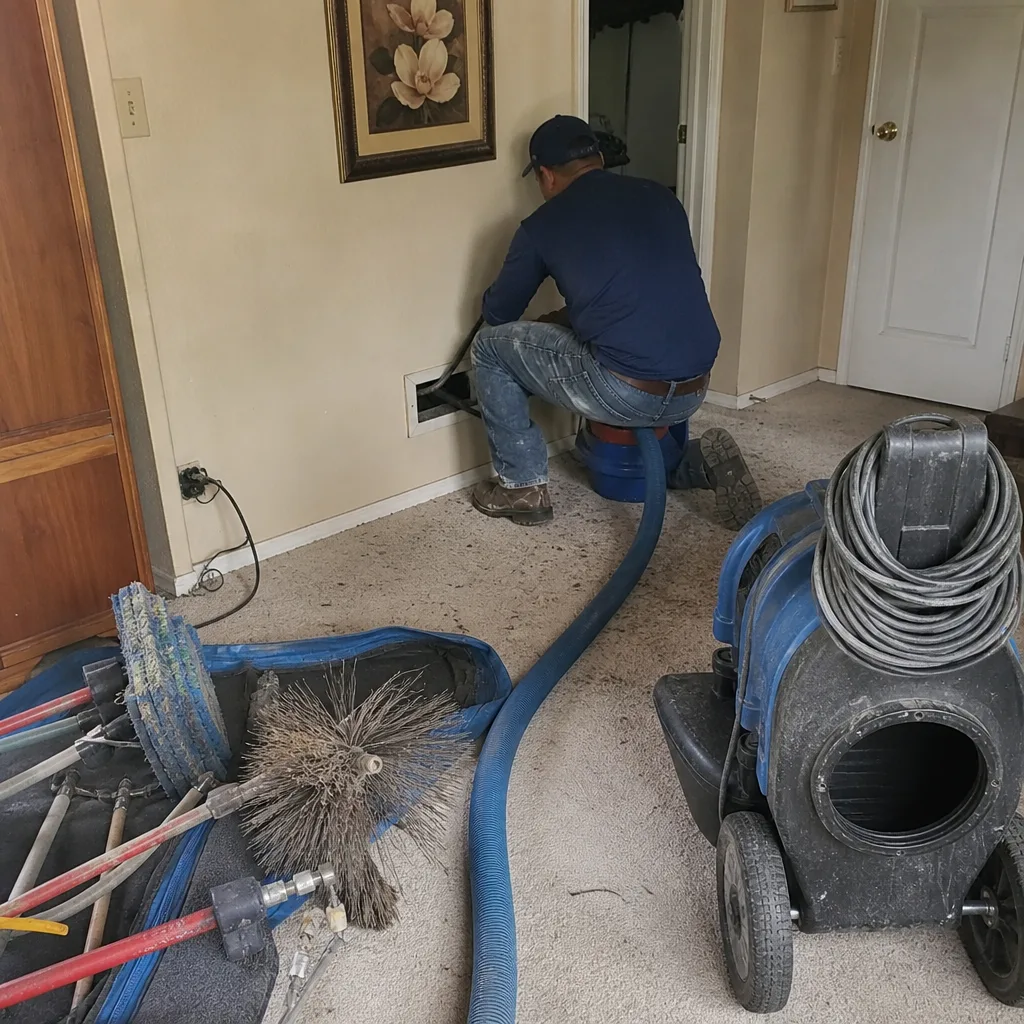 Before
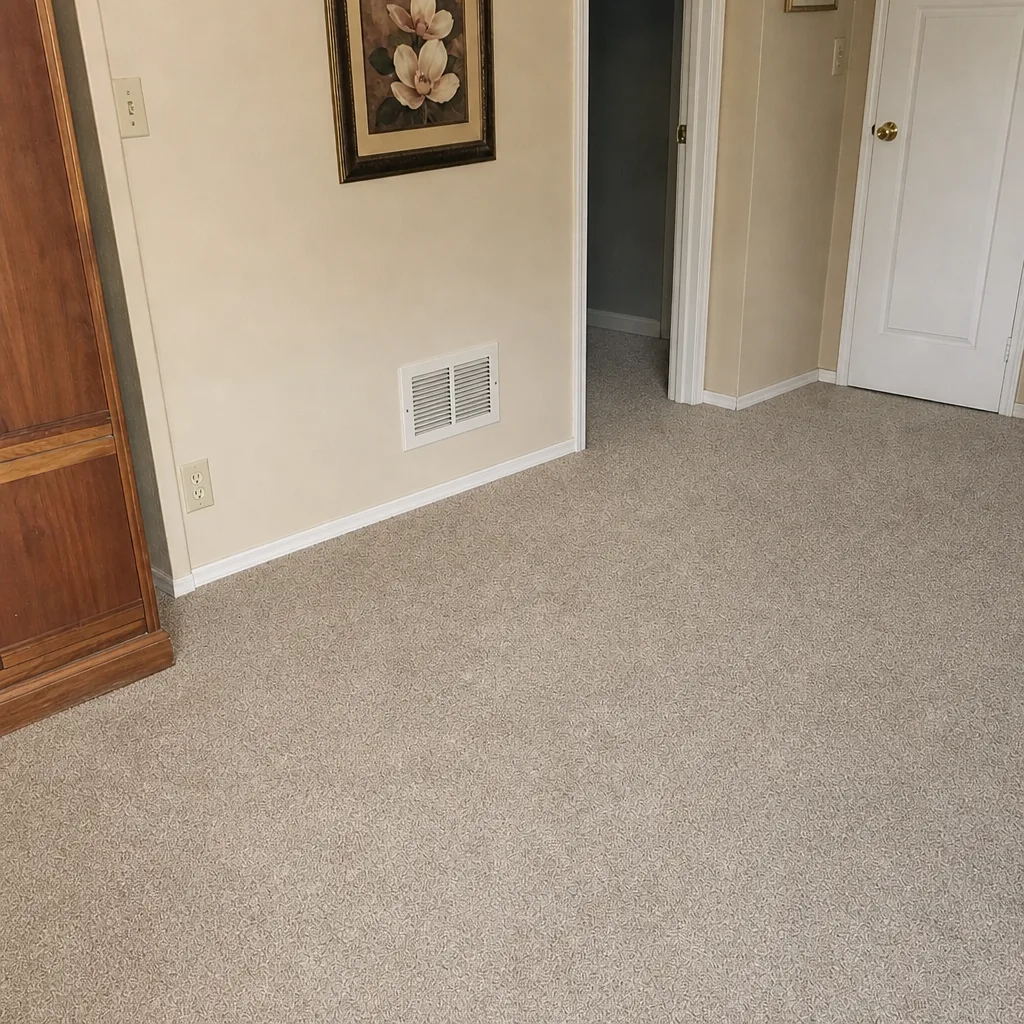 After
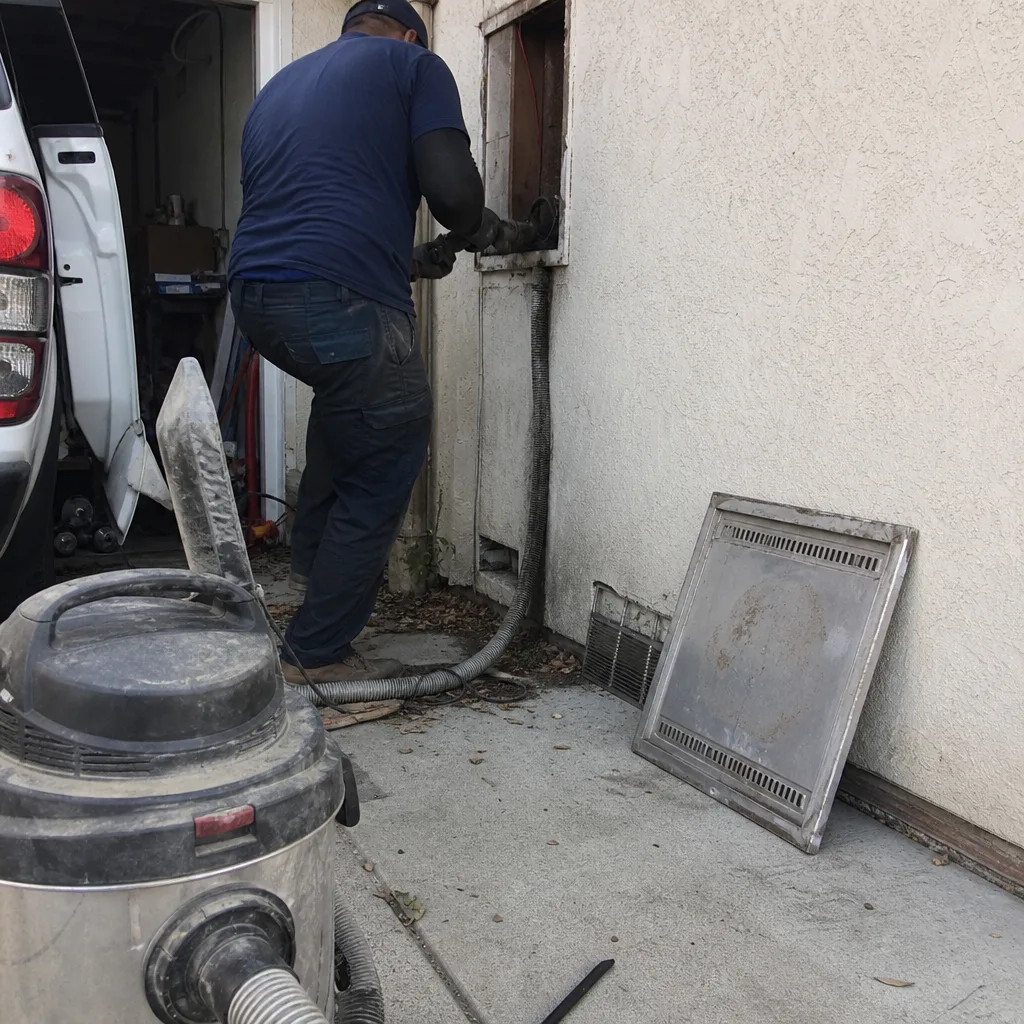 Before
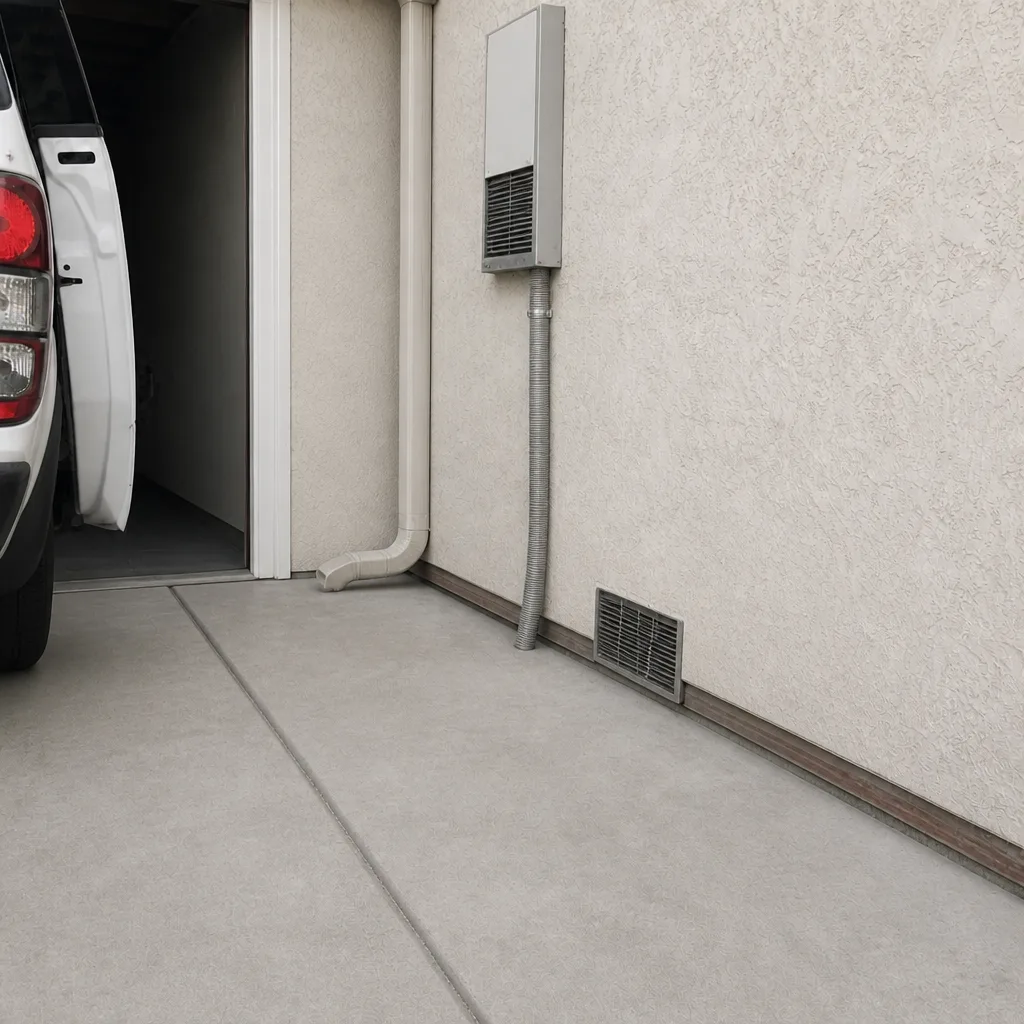 After
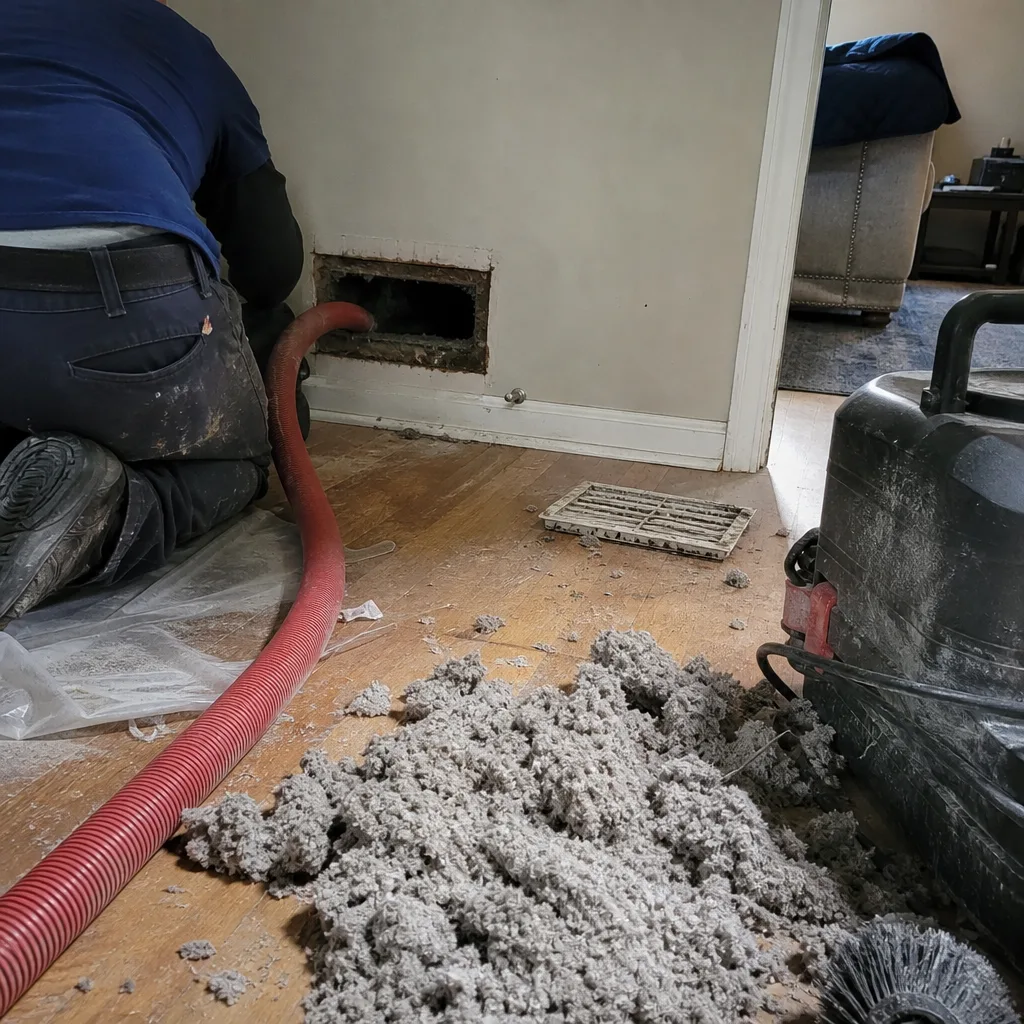 Before
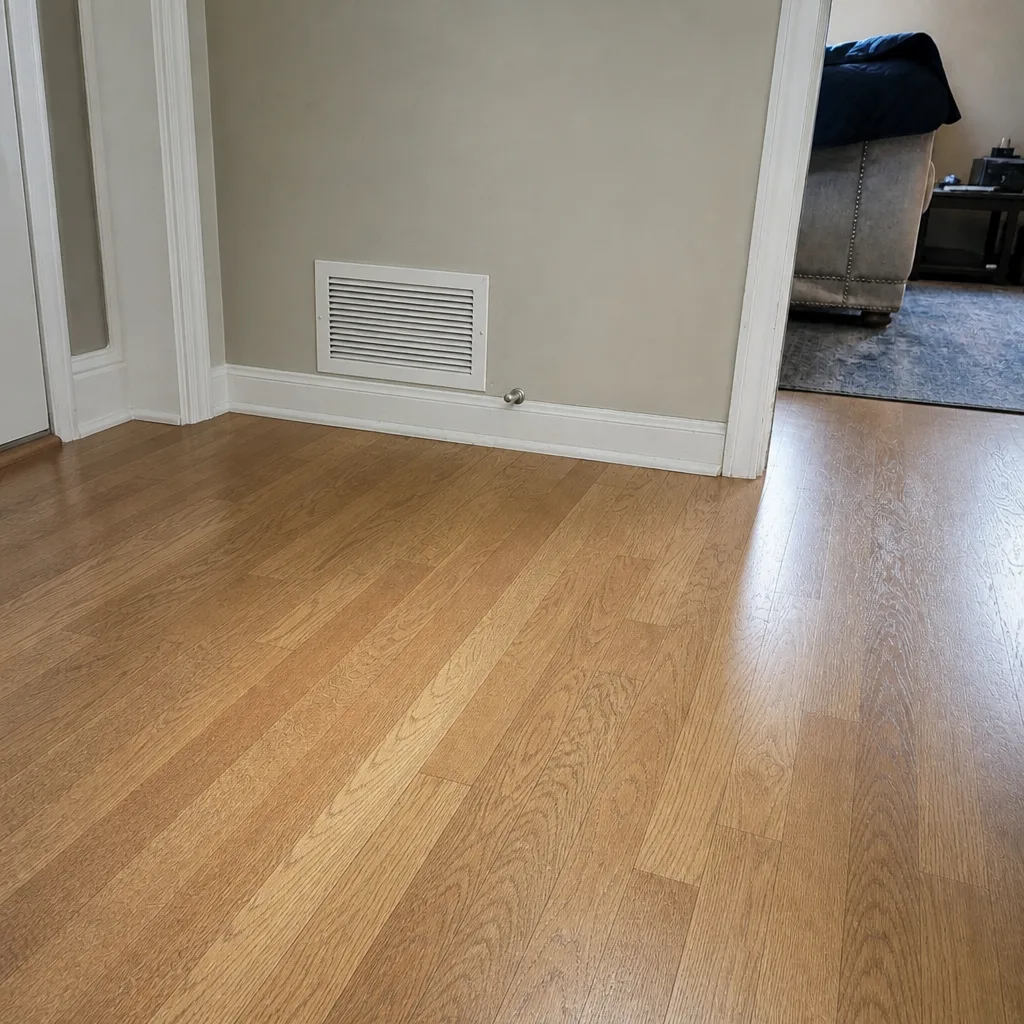 After
When to Call a Professional
Call a professional when you’ve had a significant Santa Ana season and the ducts haven’t been cleaned since before it, when your return grilles coat over within days of cleaning, or when you notice an odor that tracks with the blower. Call if a renovation just wrapped up and the system ran through it. Call if your energy bills are climbing without a clear cause, or if airflow is uneven room to room, since that’s often a sealing problem rather than a cleaning one. And call if the last cleaning you can remember was vacuuming at the grilles, because that isn’t the same job. Air Duct Cleaning Park Santiago offers free estimates in Park Santiago. Call (844) 625-7040. We answer 24/7. Fast dispatch from 7am to 7pm, Sunday through Friday.
Frequently Asked Questions
In Park Santiago, the right cadence is usually one full cleaning in spring before cooling season and one in October after the Santa Ana wind events, with a post-renovation inspection added whenever interior work happens. That’s different from the generic “every two to three years” advice because the particulate load here is driven by wind events rather than steady household dust. If you’ve had a heavy smoke season, the October cleaning matters more, not less. Call (844) 625-7040 for an exact quote – estimates are free.
October lands after Santa Ana season peaks and before the house closes up for heating, so it’s the moment when the system is holding the most accumulated particulate and the timing clears it before it recirculates all winter. Move the appointment forward if a major wind event comes earlier in the fall. Call (844) 625-7040 to book an October slot before the schedule fills.
Yes, if the system was running, if windows were open, or if the ducts have gaps that let outside air in. Smoke particulate is finer than ordinary dust, so it passes standard filters more easily and coats duct surfaces rather than settling into piles. It also leaves odor compounds behind after the visible particulate is gone, which is why sanitizing is often part of the job. Call (844) 625-7040 and we’ll tell you what an inspection should cover.
No. A higher-MERV filter captures more particulate at the air handler, but it doesn’t remove what’s already coating the inside of the ducts, and a filter above what your system is rated for can restrict airflow enough to strain the blower. Filtration and cleaning solve different problems. Use the filter to reduce what gets in and clean the ducts to remove what’s already there. Call (844) 625-7040 for a free estimate on the cleaning side.
Cleaning removes accumulated debris from inside the system; repair and sealing close the gaps and disconnected joints that let air escape or let outside air in. Both matter, and doing them together is more effective than either alone, because sealant needs a clean surface to bond to. A system that’s clean but leaking still wastes energy and still pulls attic or garage air into the living space. Call (844) 625-7040 to have both assessed in one visit.
Treat dryer vent cleaning as an annual safety service, separate from the duct calendar. Elevated lint buildup is a leading cause of residential fires, so it’s a life-safety item rather than a comfort one. Fall, alongside the post-wind-event duct cleaning, is a sensible time to pair them. Call (844) 625-7040 and we’ll schedule both.
The Bottom Line
Park Santiago doesn’t have four equal seasons, so a twice-a-year duct schedule doesn’t fit it. What fits is an October cleaning after Santa Ana season clears months of combustion particulate and ash, a spring pass before cooling season that pairs cleaning with coil work and duct sealing, and a post-renovation inspection whenever the house has been torn apart. Filter changes and dryer vent cleaning fill in the rest. The common thread is timing the work to the event that created the load, then closing the loop by sealing what’s leaking rather than just vacuuming what’s dirty. That’s the whole difference between maintenance and a shop vac with a longer hose.
Ready to put your system on a schedule that matches this climate? Call (844) 625-7040. We answer 24/7. Fast dispatch from 7am to 7pm, Sunday through Friday. Estimates are free.
Written by the team at Air Duct Cleaning Park Santiago.