
Last updated November 25, 2026
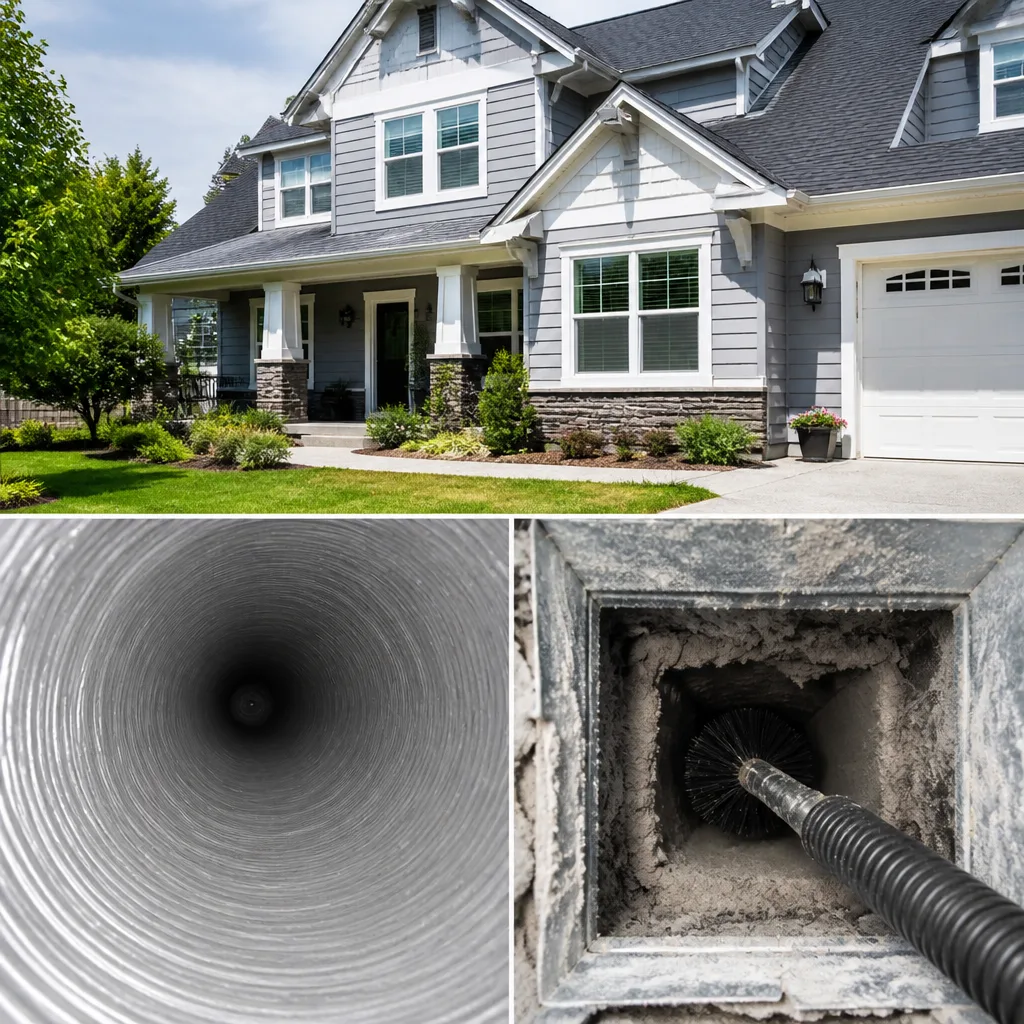 Whole-home duct cleaning
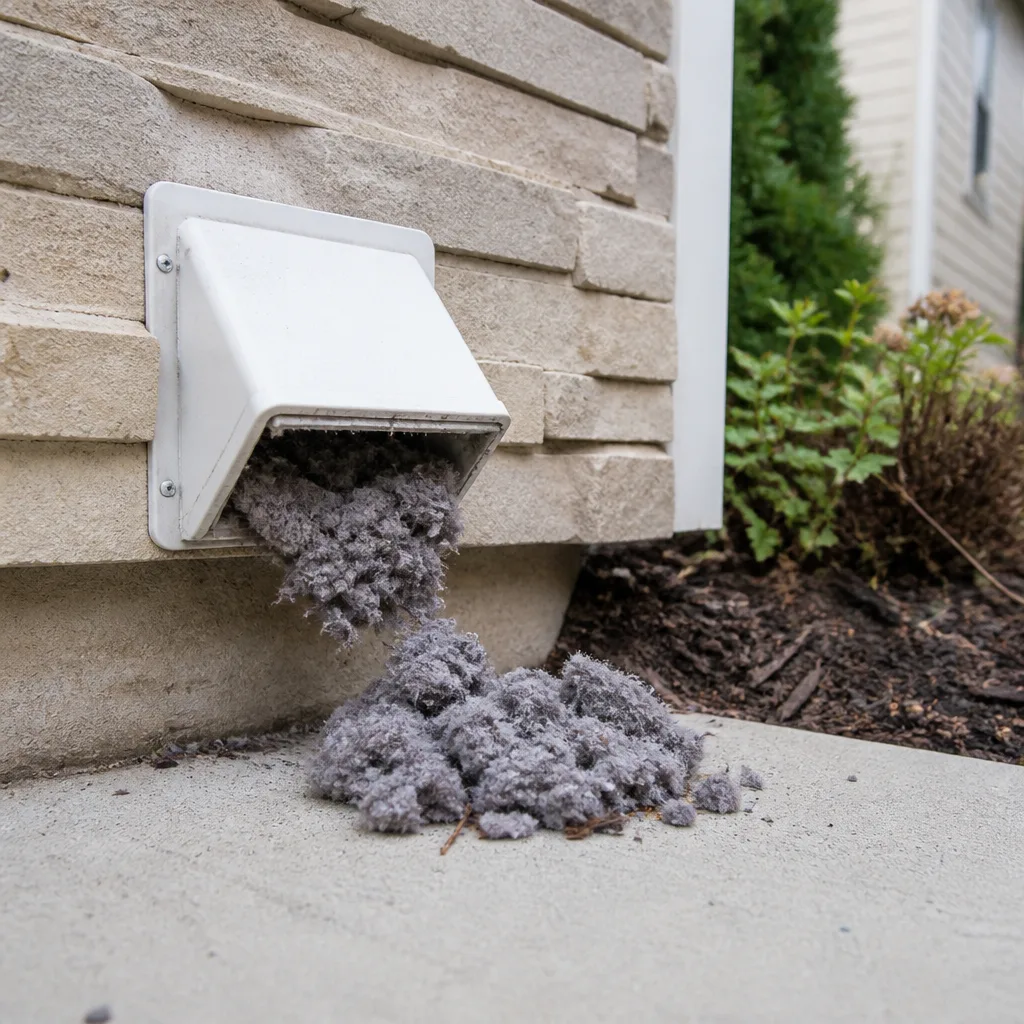 Dryer vent cleaning
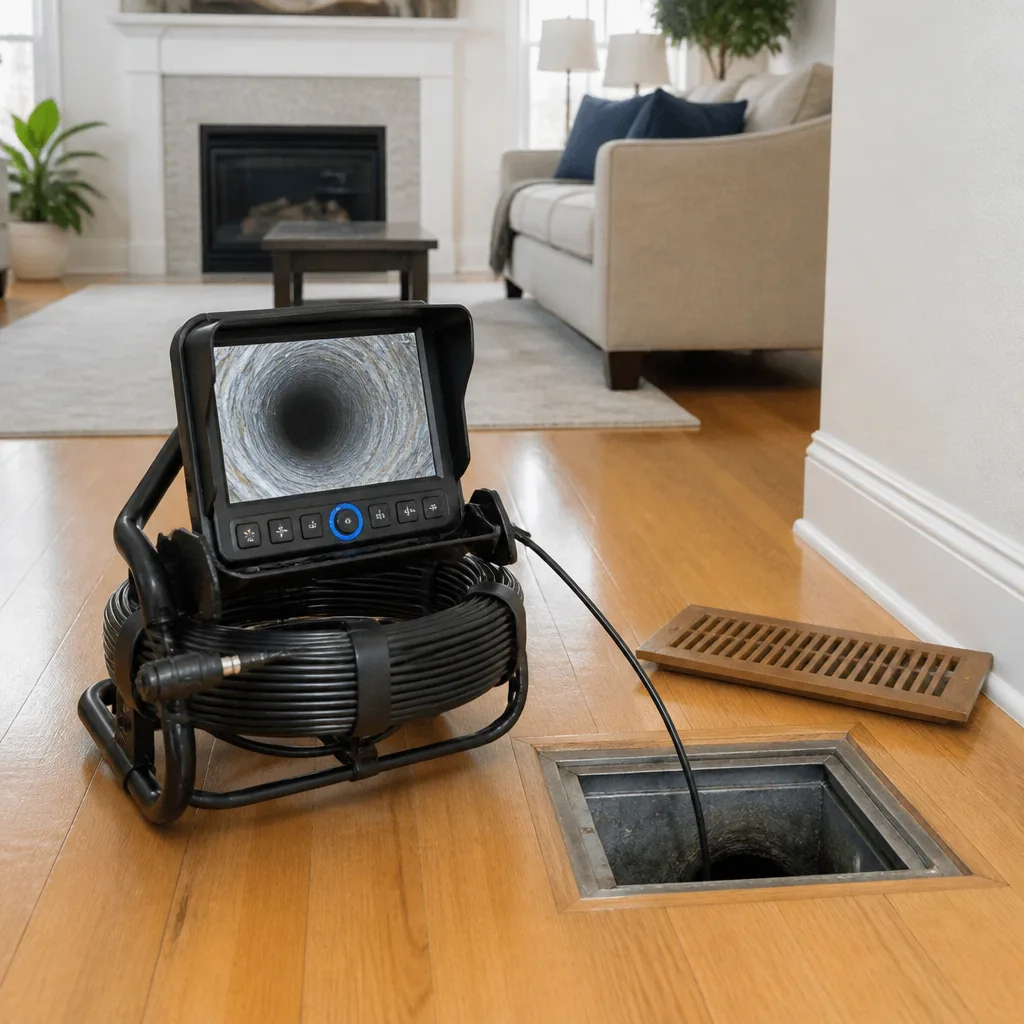 Camera inspection
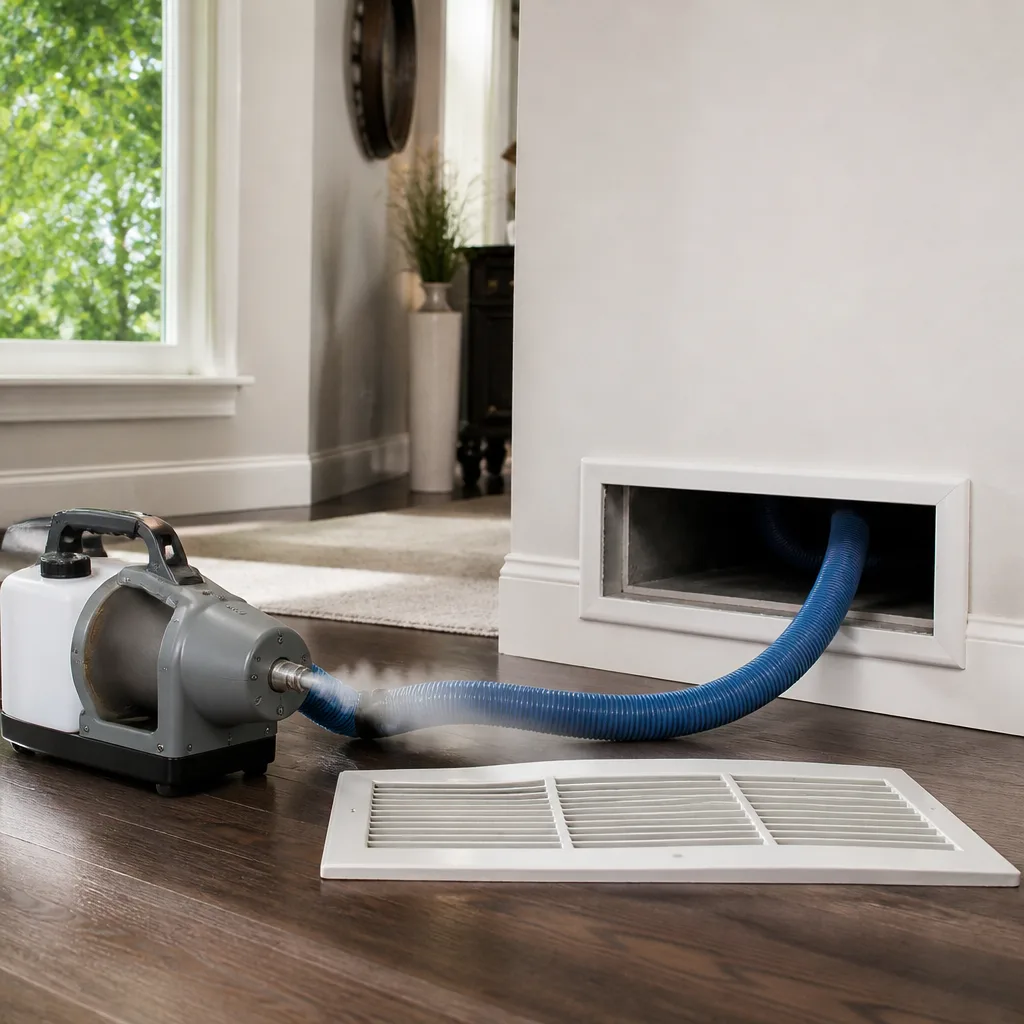 Sanitizing & deodorizing
Whole-system duct and dryer vent check with before-and-after photos - you see exactly what came out of your vents
That "$99 whole-house special" is a bait ad - the real number appears once they are in your hallway, or the "clean" is a shop-vac at the register. We photograph the inside of your ducts before and after instead.
Air Duct Cleaning Cost Breakdown: The Park Santiago Homeowner’s Reference for 2026
The $89 whole-house duct cleaning offer circulating in Park Santiago usually buys about 45 minutes of contact vacuuming, and that is not the same service as a $350 to $600 full-system job. The difference isn’t negotiable margin. It’s equipment, time, and scope. When you compare quotes in Park Santiago, you’re often comparing two entirely different categories of work that happen to share a name. This guide breaks down what each price tier actually buys, which add-ons are worth the money, which upsells are margin plays dressed as necessities, and what a written quote should itemize before you agree to anything.
Quick Answer
Air duct cleaning in Park Santiago typically runs $350 to $600 for a standard single-family home, with larger or heavily contaminated systems reaching $700 to $1,200 or more. Whole-house jobs below $150 usually cover only surface vacuuming of easily reached vents, not the full duct pathway. The written estimate always sets the final price, so ask for a line-item breakdown before work begins.
Styles & brands we work with
- Whole-home duct cleaning
- Dryer vent cleaning
- Camera inspection
- Sanitizing & deodorizing
Table of Contents
- What Actually Drives the Cost of Duct Cleaning
- The Three Price Tiers, Explained Honestly
- What a Written Quote Should Itemize
- Add-Ons Worth Paying For vs. Upsells to Skip
- How Park Santiago Home Age and Duct Material Affect Labor
- What a Thorough Cleaning Actually Involves
- The Cost of Not Cleaning Your Ducts
- Common Mistakes to Avoid
What Actually Drives the Cost of Duct Cleaning
Five variables move the price of a duct cleaning job, and a legitimate quote will reflect all of them.
- System size. A three-bedroom home with a single central unit needs less time than a larger house with two zones or a long trunk run. Square footage and the number of system zones both factor in.
- Access points. Every return and every branch line needs to be reached. Ducts installed with limited access panels require extra cutting, resealing, and sometimes repair before the cleaning even starts.
- Contamination level. Light dust is one thing. Years of pet dander, renovation debris, rodent activity, or visible biological growth mean more passes, longer extraction, and sometimes a second visit.
- Equipment type. A shop vacuum hooked to a vent is not extraction. Negative-pressure HEPA equipment (we use Nikro) combined with mechanical brush agitation (Rotobrush) has to be brought in, set up, and run long enough to actually pull debris out of the system.
- Add-on scope. Coil cleaning, duct sealing, sanitizing, and dryer vent work all carry separate labor. A quote that folds them in without a line item is usually just padding the base price.
In Park Santiago, we’ve found that the access-point question causes the most sticker shock. Homes built during certain eras of local subdivision growth kept ductwork tight to the joists with few service openings, so a technician who is honest about what’s needed will charge for the extra labor of opening and closing those access points. That’s not padding. It’s the difference between cleaning the ducts you can reach and cleaning the ones you can’t. Our technicians have up to 9 years of experience reading those layouts and letting the homeowner know exactly what access will require.
The Three Price Tiers, Explained Honestly
Park Santiago quotes tend to cluster in three ranges, and each buys a different category of work. Use this table as a reality check when the numbers on any two estimates look far apart.
| Tier | Typical Range | What It Covers |
|---|---|---|
| Low | $89 – $150 | Surface vacuuming of reachable vents. Usually 45 to 60 minutes. No negative pressure, no brush agitation, no access creation. |
| Standard | $350 – $600 | Full-system two-stage cleaning: Rotobrush agitation and Nikro negative-pressure extraction. Return and supply runs, register removal, and basic sanitizing. |
| Comprehensive | $700 – $1,200+ | Everything in standard plus HVAC coil cleaning, duct sealing, and air quality components. Usually for larger homes, multiple zones, or systems with known contamination or leakage. |
The low tier isn’t a scam in itself. It’s just a different service. If someone is offering $89 and describing a full negative-pressure HEPA clean of the entire system, one of two things is happening: the quote will grow substantially on arrival, or the equipment described in the pitch is not coming into your house. Neither is a good sign. Legitimate Park Santiago work in the middle and high tiers reflects real setup, real equipment, and real time on site. The written estimate should tell you which tier you’re paying for.
What a Written Quote Should Itemize
A quote that doesn’t break out components is a yellow flag. It gives you nothing to compare against and leaves room for “surprise, that’s extra” once the technician is inside. Here’s what a clean, honest estimate looks like in item form.
- Base system cleaning, priced by number of runs or square footage, not by vent count. Per-vent pricing is a red flag because it rewards the contractor for counting vents instead of cleaning them.
- Registers and grilles, whether removal, cleaning, and reinstallation is included or added as a separate line.
- Access work, if any additional openings are required for full coverage.
- Sanitizing or antimicrobial treatment, listed separately with the product or method named.
- Coil cleaning, if the technician is recommending it and can describe why.
- Duct sealing or repair, with the sections to be sealed identified.
- Dryer vent cleaning, if it’s being quoted at the same visit.
- Surface protection and cleanup, since quality contractors bring Guardsman covers and mats as standard on every job.
- The total, stated flatly. If the final number doesn’t match the written one, that’s an immediate conversation to have before any work starts.
Ask for the quote in writing before the crew arrives. A legitimate provider will send it without hedging. Air Duct Cleaning Park Santiago works from one flat price per system, agreed before work starts, with before-and-after photos of the ducts we cleaned.
Add-Ons Worth Paying For vs. Upsells to Skip
Not every add-on is a profit center. Some are genuinely worth the extra money because they fix a real problem in the system. Others are routinely sold as insurance against something that may not exist.
Worth paying for
- HVAC coil cleaning. The indoor evaporator coil is where air passes after the filter, and where dust, dander, and microbial growth collect if the filter isn’t changed on schedule. A dirty coil reduces heat transfer and pushes the compressor to work harder. Cleaning it as part of HVAC cleaning has direct efficiency value.
- Duct repair and sealing. Sealing leaks in the duct pathway matters as much as cleaning it. Unsealed joints and gaps in Park Santiago homes leak conditioned air into attics and crawlspaces, wasting the energy you paid for. We don’t just clean; we seal what’s leaking and sanitize what’s left behind.
- Dryer vent cleaning. Elevated lint buildup is a leading cause of residential fires. This one is a life-safety service, and it’s offered as a standalone if you don’t need your ducts cleaned right now.
Routinely oversold
- Antimicrobial fogging without evidence of growth. A fogger sprayed into a clean duct system doesn’t fix anything, because there was nothing to fix. Ask what the technician saw that justifies the treatment. If the answer is vague, the money is better spent elsewhere.
- “Enzyme treatments” for light dust. Dust is dust. Mechanical removal and extraction handle it. A treatment upsell on an ordinary job is a margin play, not a health measure.
- Duplicate sanitizer charges at the same visit. If two products are being sold to do essentially the same job, ask why. One is usually enough.
Sanitizing is still a legitimate part of the service. It just belongs after cleaning, not instead of cleaning, and it should be quoted from what the technician actually finds, not bundled into every job by default. That’s how we frame it in our air duct cleaning work.
How Park Santiago Home Age and Duct Material Affect Labor
The material your ducts are made from changes the true labor cost of a thorough job more than most homeowners realize. Three material types dominate Park Santiago housing stock, and each handles differently under cleaning equipment.
- Flexible duct (flex). Common in retrofits and additions. The interior is smooth but the ridges trap dust, and aggressive brush agitation can damage the liner if the technician isn’t careful. Flex runs are quicker to clean but demand a lighter brush pressure and more extraction time.
- Sheet metal. The most durable. Flat interiors clean up well under Rotobrush agitation, but seams and joints can leak air after years of thermal cycling. Cleaning is straightforward; sealing becomes the real value-add.
- Duct board. Composite panels with a fibrous interior. These hold dust more tenaciously and can’t tolerate rough mechanical agitation. If the board has absorbed moisture, cleaning may not restore it, and a partial replacement is sometimes the honest recommendation.
Age plays into this. Older homes in Park Santiago often have a mix of original sheet metal in the trunk and later flex additions, which means the crew has to switch methods mid-job. A contractor who assumes a single system type will either under-clean the flex or damage the board. Ask what materials the estimate assumes. Our technicians have up to 9 years of experience working with all three, and the quote should reflect it.
What a Thorough Cleaning Actually Involves
If you want to know whether the price you’re paying is going to a real cleaning, here’s the sequence a professional park Santiago job should follow. Two-stage cleaning process: agitate, then extract.
- Inspection and documentation. Every return and supply register is photographed, and the technician maps the runs.
- Surface protection. Drop cloths and floor protection go down before any equipment is brought inside.
- Negative-pressure setup. A HEPA extraction unit (we use Nikro) is connected to the system to create negative air pressure, drawing contaminants into the machine rather than into the living space. Abatement Technologies negative-air machines provide the same containment used in commercial remediation work, and we run them on every job.
- Mechanical agitation. A rotary brush (Rotobrush) is fed through each run to dislodge caked-on debris from duct walls.
- Extraction. The loosened debris is captured under negative pressure and removed from the system.
- Register cleaning. Grilles are removed, washed, dried, and reinstalled.
- Sanitizing and sealing, if quoted and appropriate. Duct Repair & Sealing closes the leaks cleaning just exposed.
- Before-and-after photos delivered to the homeowner, so you can verify what was cleaned and how it turned out.
Anything that skips steps three through five is not the same service, regardless of what the invoice calls it. If the technician never brings a negative-pressure machine into the house, ask what “full-system cleaning” means in their scope.
The Cost of Not Cleaning Your Ducts
Deferred duct maintenance shows up on your energy bill and your HVAC repair invoices, not as a single line item. It accumulates quietly, and by the time a homeowner in Park Santiago calls for a quote, the ductwork usually isn’t the most expensive item on the list anymore.
The mechanism is straightforward. A duct system that has lost its seal leaks conditioned air into the attic or crawlspace. The blower runs longer to compensate. The compressor on the outdoor unit cycles harder. Dust deposits on the evaporator coil reduce heat transfer and shorten the life of the equipment. None of these costs have a receipt attached until something fails.
Add up the two sides:
- Cost of cleaning and sealing. Usually $350 to $1,200 depending on scope, plus a coil cleaning and a dryer vent if needed. One visit, one written price.
- Cost of deferring. Higher monthly bills, earlier equipment replacement, and possible air quality problems that show up as allergy symptoms or musty odors long before anyone suspects the ducts.
The math rarely favours the second column. It just feels cheaper in the moment because the cost is spread out over months and the cause is invisible. If your ducts haven’t been cleaned since the house was built or since a major renovation, the question is not whether to schedule but how soon.
Common Mistakes to Avoid
- Choosing a quote based on price alone. The lowest number almost always buys the smallest scope. Compare tiers, not dollars.
- Accepting per-vent pricing. A reputable job is priced per system, not per register, because duct size and contamination, not vent count, determine the work.
- Booking without a written, itemized quote. If the only number you have is verbal, you don’t have a price. You have a promise.
- Approving an antimicrobial fogger without seeing the evidence. Ask what the technician found and whether it was photographed. If there’s no evidence, no treatment.
- Skipping the post-clean walkthrough. Before-and-after photos should always be part of the handoff. A job that ends without them is a job you can’t verify.
- Treating dryer vent cleaning as optional. Lint buildup inside the dryer vent line is a fire risk. Schedule it as its own item even if the ducts look fine.
- Ignoring duct leaks after cleaning. Cleaning without sealing leaves the system you just cleaned leaking conditioned air. Duct Repair & Sealing closes the loop.
When to Call a Professional
You should call a professional when you notice dusty vents that recur within days of wiping them down, musty odors that appear when the HVAC system kicks on, visible dust trails around return registers, or a family member whose allergy symptoms get worse indoors. The same applies after a renovation, after any rodent activity in the attic, or if the house has never had the ducts cleaned and the system is a decade old or more. On the safety side, elevated lint in the dryer vent line is a fire risk and should be cleaned regardless of what the ducts look like. Air Duct Cleaning Park Santiago offers free estimates in Park Santiago. Call (844) 625-7040. We answer 24/7. Fast dispatch from 7am to 7pm, Sunday through Friday.
See the difference
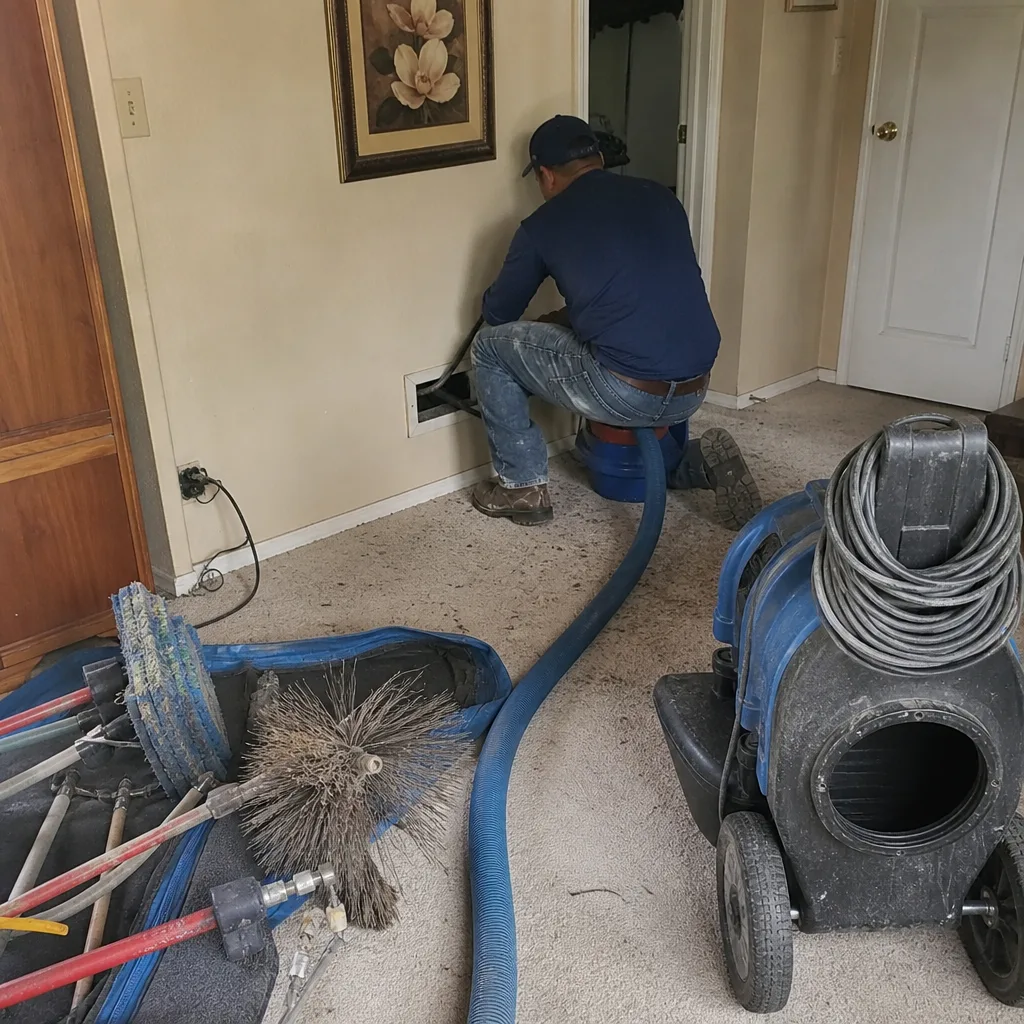 Before
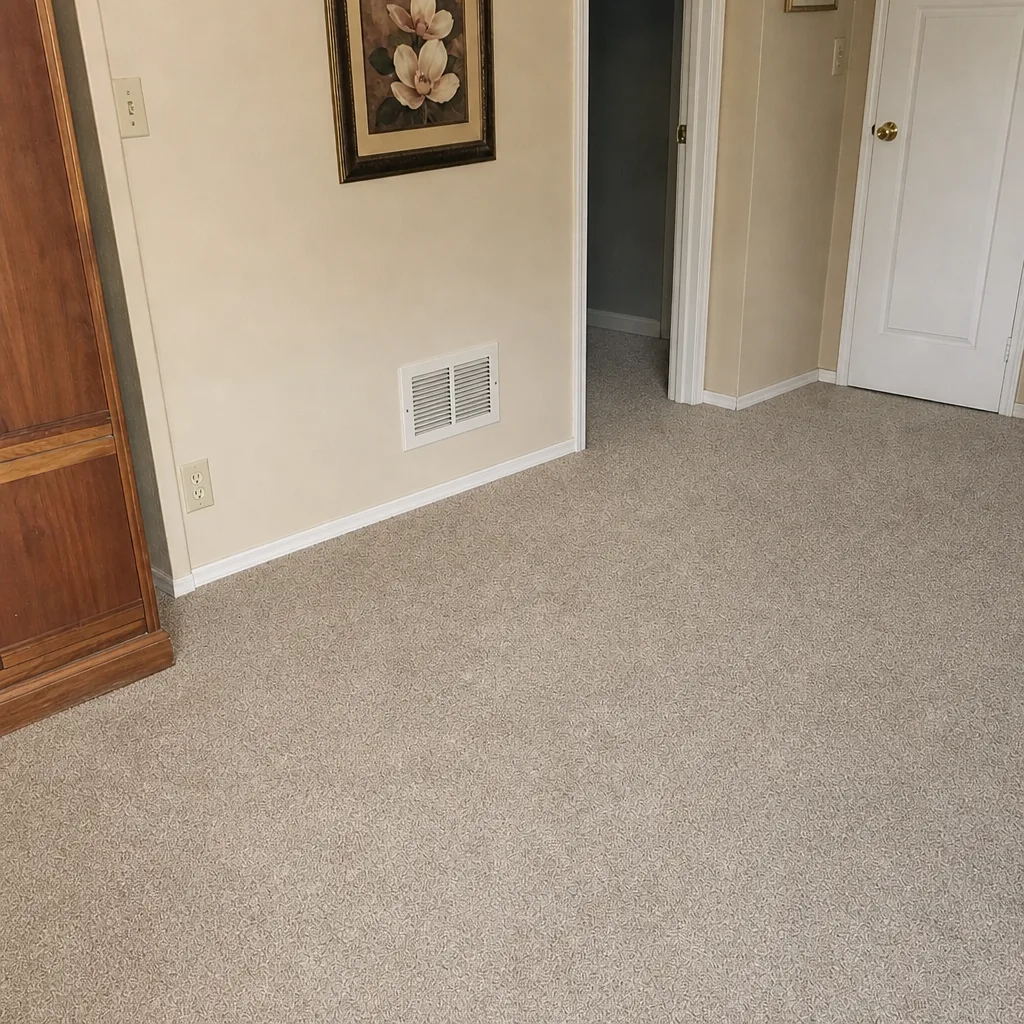 After
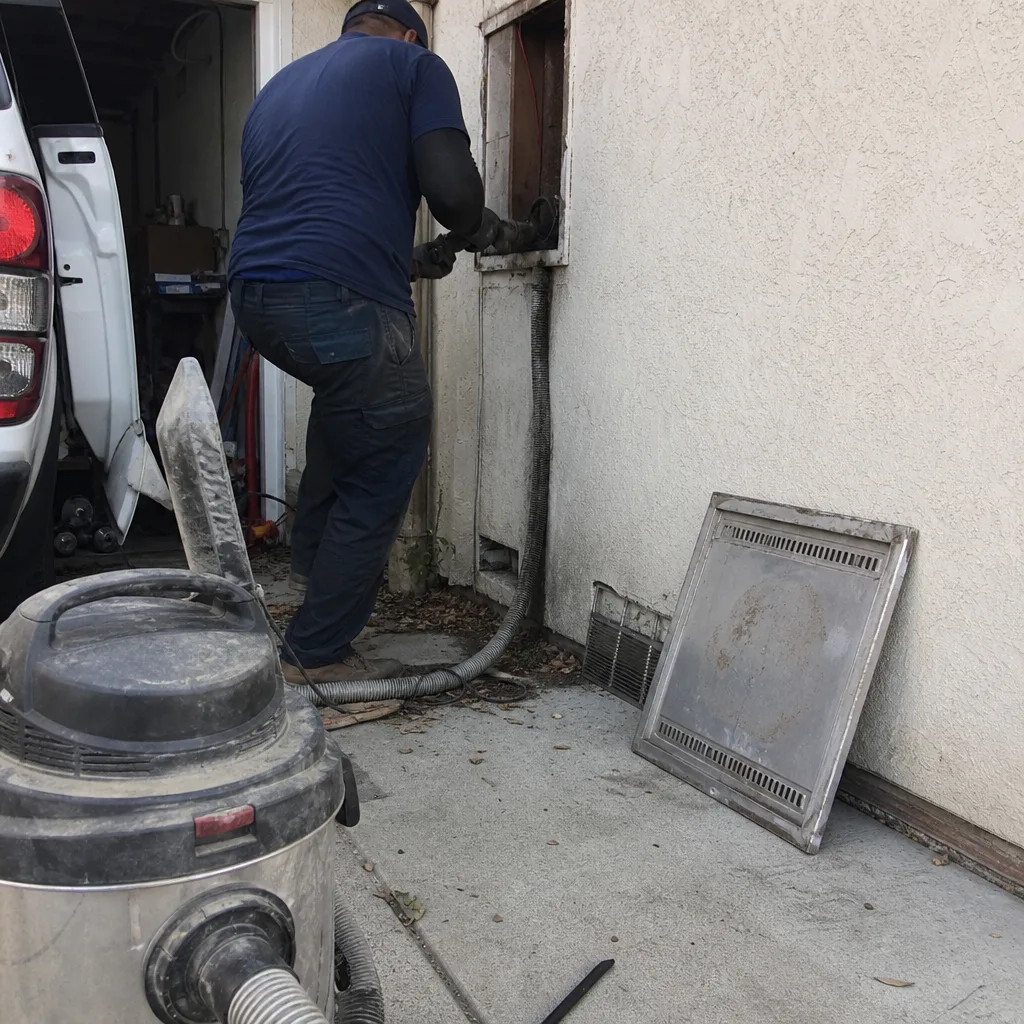 Before
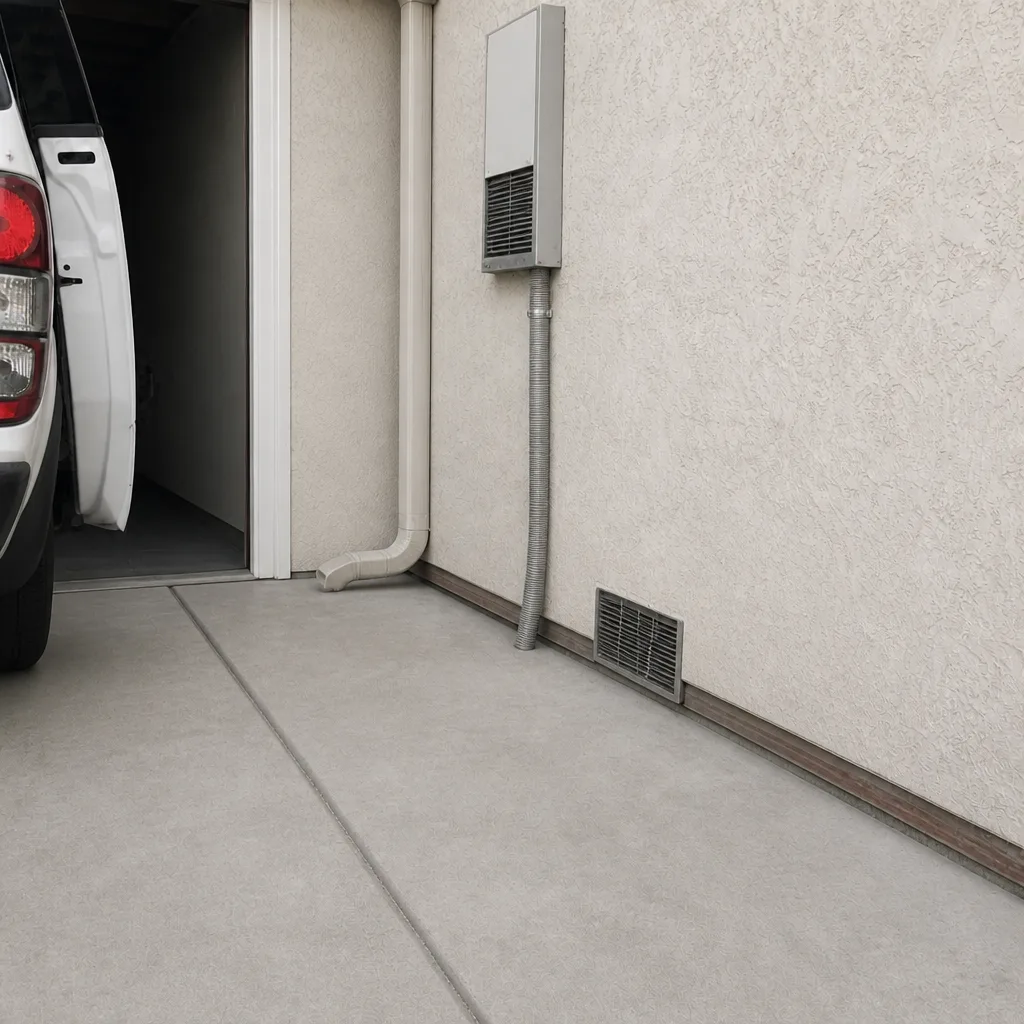 After
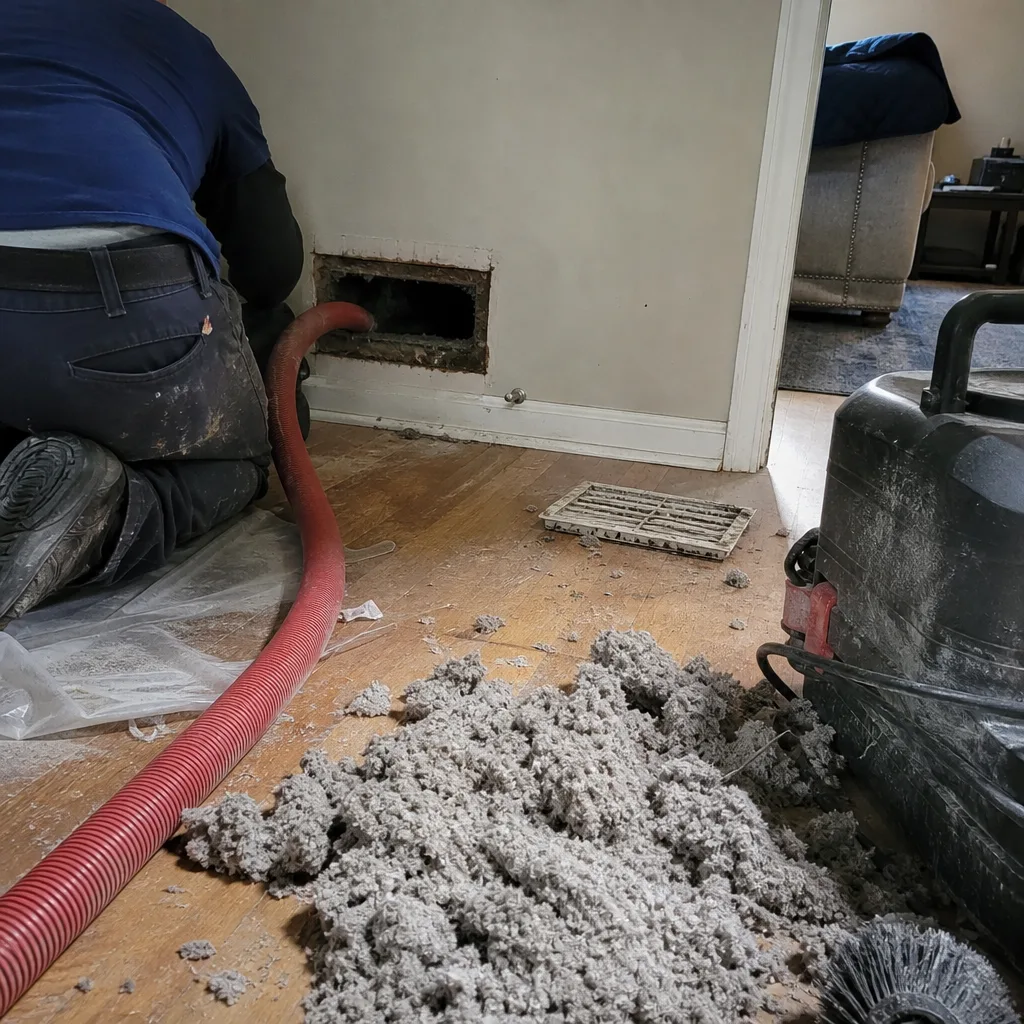 Before
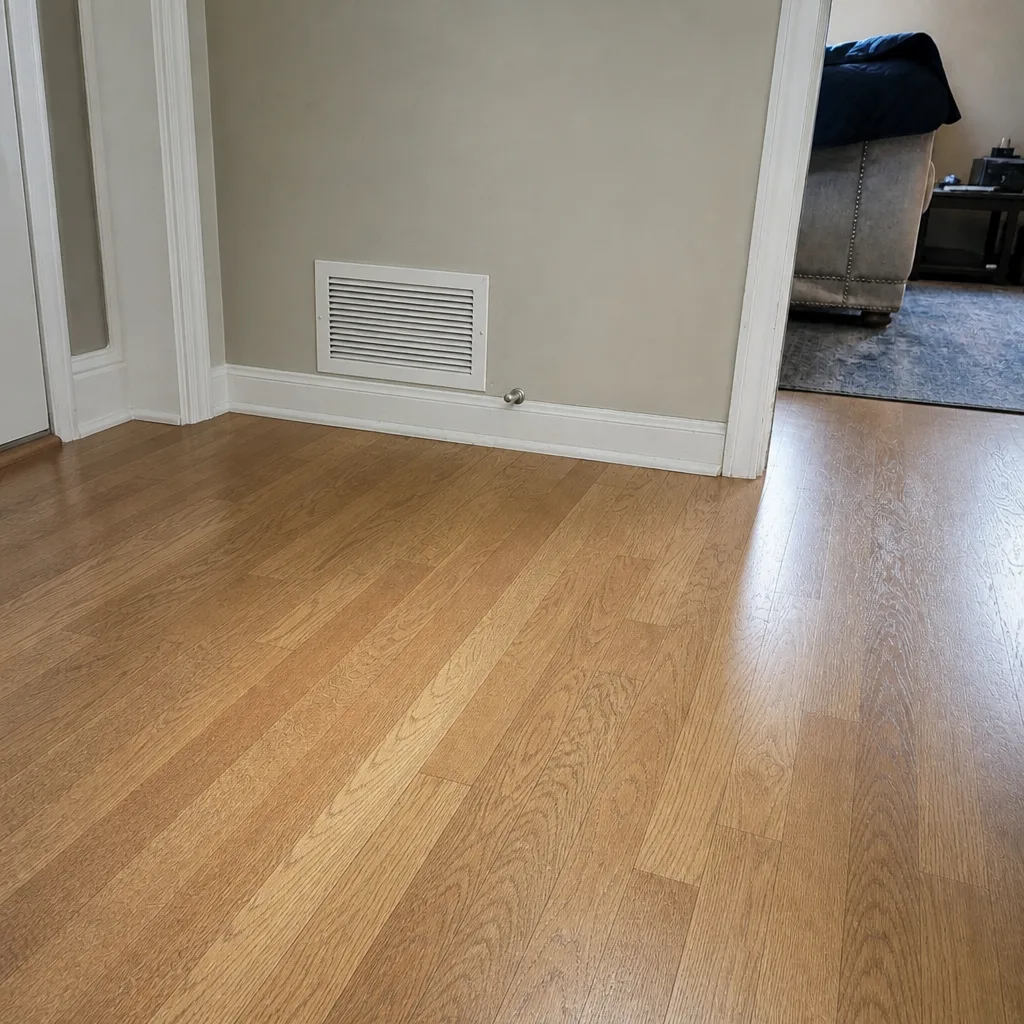 After
Frequently Asked Questions
Most Park Santiago homes land in the $350 to $600 range for a standard full-system cleaning, and $700 to $1,200 or more for larger homes or systems with significant contamination or leakage. Whole-house quotes under $150 usually cover surface vacuuming only. Call (844) 625-7040 for an exact quote. Estimates are free.
Because they describe a smaller job. A $89 quote buys roughly 45 minutes of contact vacuuming of reachable vents, and a $350 to $600 quote buys a two-stage cleaning with mechanical agitation and negative-pressure HEPA extraction across the full system. The scope is the difference, not the margin.
Before-and-after photos of your own ductwork. A credible contractor will photograph each run before cleaning and again afterward, then walk you through the images. If a quote doesn’t mention documentation, ask for it in writing before you book.
Every three to five years for a typical home, and sooner after a renovation, after moving into a house with unknown duct history, or if a family member has respiratory sensitivities. Dryer vent cleaning should be done more often, because lint accumulates quickly. Call (844) 625-7040 to talk through your situation. Estimates are free.
Yes, if the technician finds leaks. Cleaning a duct system without sealing leaves conditioned air escaping through the same joints that just got cleaned. Sealing is what turns a cleaning into a system improvement. Ask specifically whether the quote includes it or lists it separately.
It makes most of the difference. Rotobrush agitation loosens debris from duct walls, and Nikro negative-pressure HEPA extraction captures it without blowing it into the living space. Abatement Technologies negative-air units add commercial-grade containment. A shop vacuum in a vent does none of those things.
Before the cooling season for most homeowners, when the system will be running most heavily. That way the coil cleaning and duct sealing happen before the equipment starts working hard, and any efficiency gains apply to the whole summer. Call (844) 625-7040 to book. Estimates are free.
The Bottom Line
Air duct cleaning in Park Santiago isn’t a single product with a single price. It’s three tiers of service that share a name: a cheap surface vacuum, a standard two-stage clean, and a comprehensive system job that includes sealing, coil cleaning, and air quality components. The low-end price tells you the scope, not the savings. The right approach is to get an itemized written quote, identify which tier your home actually needs, ask what evidence supports each add-on, and insist on before-and-after photos. Priced that way, the cost is honest and the result is a sealed, cleaned, properly functioning forced-air system.
Contact
If you want a written, itemized quote for your home, Air Duct Cleaning Park Santiago offers free estimates. Call (844) 625-7040. We answer 24/7. Fast dispatch from 7am to 7pm, Sunday through Friday. Our technicians have up to 9 years of experience, and every job is quoted as one flat price per system before work begins.
Written by the team at Air Duct Cleaning Park Santiago.